Au Pairs Playing With A Different Sex Original Lyntone LP Lesley Woods Feminist
$
66




Favourite Auctions
To save auctions to your favourites, please login
If you don't have an account, please register
Description
Au Pairs : Playing With A Different Sex
Full-Length 12" Vinyl Record Album
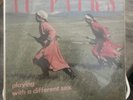
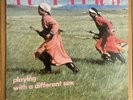
Description: The album cover features female British Army soldiers bearing rifles armed with bayonets, captured by renowned photographer Eve Arnold. The vinyl record is in glossy clean very good+ to excellent condition. The cover is in excellent condition, slight surface wear at top right corner. No inserts. Please see pictures. Check out our store listings for a wide variety of vinyl and CDs including many other albums from the punk/new wave era in the early 80's. We ship worldwide in secure packaging. Any questions, please contact us.
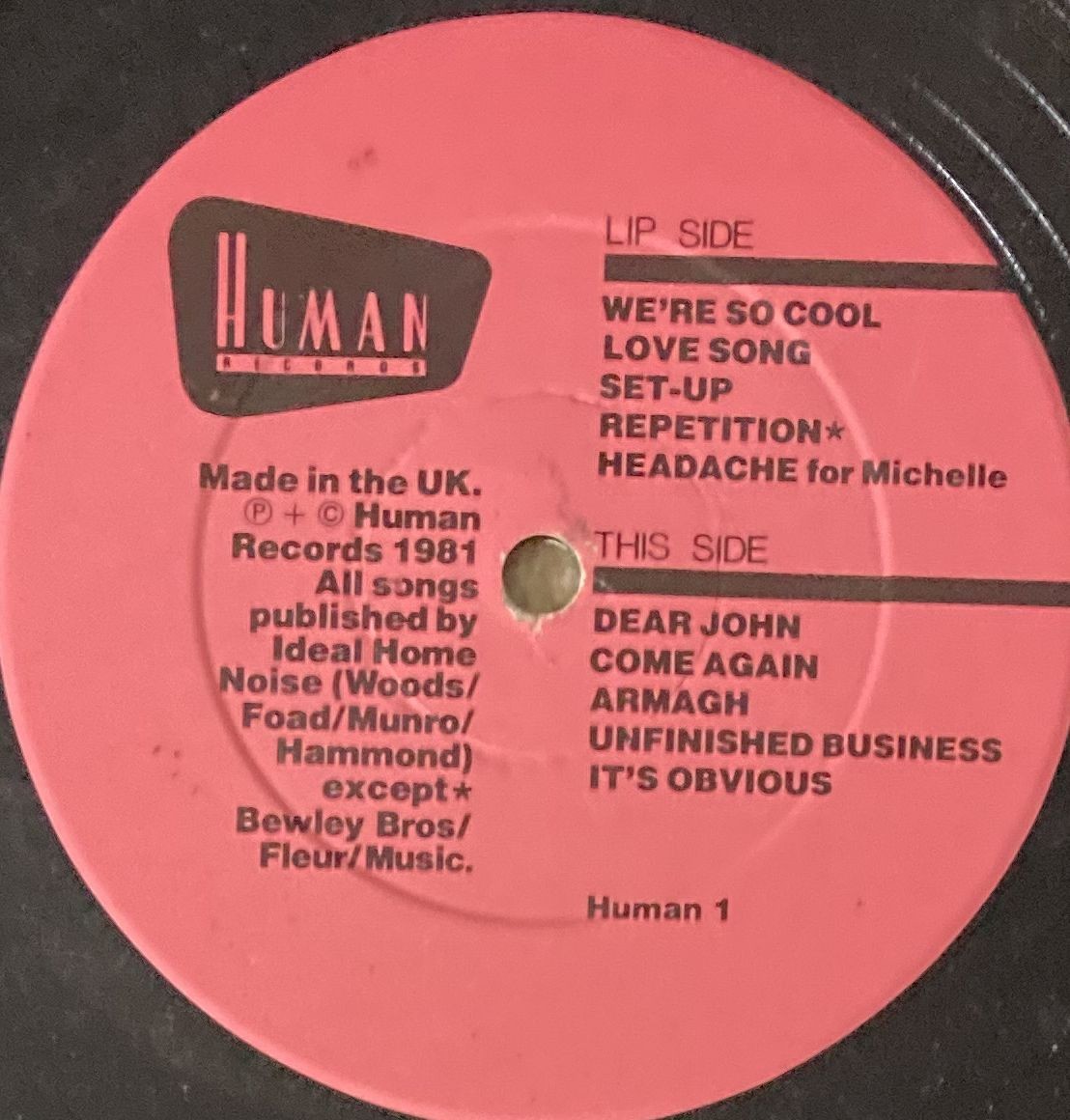
Lyntone Pressing: Matrix/Runout side A: HUM-1-A1 JONZ AD BELFAST BRISTOL BRIXTON LYN-9774-1SC Matrix/Runout side B: HUM-1-B BIRMINGHAM LYN-9775-2SC SOUND CLINIC AO
Tracklist:
1 We're So Cool
2 Love Song
3 Set-Up
4 Repetition (uncredited David Bowie cover)
5 Headache For Michelle
6 Come Again
7 Armagh
8 Unfinished Business
9 Dear John
10 It's Obvious
The Au Pairs are a British post-punk band that formed in Birmingham in 1978 and continued until 1983 on their first run. The band reformed in 2025, with Lesley Woods as the only original member. They produced two studio albums and three singles. Their songs were said to have "contempt for the cliches of contemporary sexual politics" and their music has been compared to that of the Gang of Four and the Young Marble Giants. The band was fronted by Lesley Woods, who was once described as "one of the most striking women in British rock". Au Pairs formed in Birmingham in 1978. The genesis happened after guitarists Lesley Woods and Paul Foad met at a bus stop in Birmingham in 1976. They began dating and set about starting a band, though their relationship came to an end before the first Au Pairs album came out. Woods was initially a student of philosophy and French at Birmingham University, but transferred to Keele University in Staffordshire as it was a "hotbed of leftwing politics and feminism". Drummer Peter Hammond had attended school with Foad. Foad and Woods were living together in Smethwick and performing as a folk duo. Foad asked Hammond if he was interested in forming a band. They recruited Jane Munro who had recently started playing bass. They had their first rehearsal at the upstairs function room at the Earl Grey pub in Balsall Heath. The group were involved with the Birmingham Rock Against Racism action group, and would play gigs for the organisation with other local bands. In 1979 the band had earned enough money through gigging to self-release their own single "You" and print 1,000 records. They sent a copy to John Peel who played it on BBC Radio 1 and invited them onto the show to play live. The single was released under the band's own 021 Records, which later released the debut single by Musical Youth. Their first album, Playing with a Different Sex (1981), reached number 33 in the UK Albums chart and number 1 in the Independent Albums chart. It is considered a post-punk classic, with strong, sarcastic songs such as "It's Obvious" and "We're So Cool" taking a dry look at gender relations. The former has been described as a fantasy "about a time when gender roles ceased to matter". The band's second album, Sense and Sensuality (1982), showed a greater influence of jazz, soul, funk and disco on the band's sound. Bassist Jane Munro departed the band six months before their dissolution in 1983 after which the band recruited Nick O'Connor, who also played piano and synthesizers. During this period the group were further augmented by Jayne Morris (percussion and backing vocals), Graeme Hamilton (trumpet) and Cara Tivey on additional keyboards. The band were scheduled to record a third album with producer Steve Lillywhite in 1983 but broke up. Woods has intimated that the hostility and violence she and other women faced playing music was a factor in the group's demise: "There comes a point where you can’t go on any more at that level," she told Nige Tassell of The Guardian. )i)
Check out our store for a variety of vinyl, cool CD's & more...
price rating