Badfinger Apple Records Compilation Acetate 4 Straight Up Phil Spector Beatles
$
160


Favourite Auctions
To save auctions to your favourites, please login
If you don't have an account, please register
Description
Badfinger Apple Records Alternate Compilation Evaluation LP Acetate 4 Phil Spector and the Beatles
This 12 inch 12 track unlabeled Apple Records acetate is one of the most unique disks generated by Apple Records in the tortured history of the band called Badfinger in 1971. This acetate is the somewhat infamous "albums worth of material" described in the Wikipedia description of the Badfinger's "Straight Up" record album that was first generated by Geoff Emerick that ultimately becomes the genesis of the "Straight Up" album.
This unlabeled Apple Records acetate was compiled in 1971 by former Beatles engineer and Apple Records producer Geoff Emerick. In a nutshell, in the 1960s Emerick worked with the Beatles on their classic record albums Revolver, Sgt. Pepper's Lonely Hearts Club and Abbey Road. Earlier in his career at the record company EMI, Emerick trained as an acetate cutter and assistant engineer and even worked on the early Beatles tunes "She Loves You" and "I Want To Hold Your Hand" In any case in 1971 at Apple Records, Emerick was placed in charge of producing and engineering the band by then known as Badfinger.
Following the release of the Badfinger album "No Dice" Emerick was instructed to cut a compilation acetate of rough mixes of then new unreleased Badfinger recordings to be considered for release by Phil Spector. At that time Phil Spector was not only working as a producer for the Beatles but as an A & R manager. Apparently it was Spector's job at Apple Records to evaluate artists then signed to Apple Records for their economic viability. Spector then gave the acetate to the Beatles and George Harrison for final approval. However the Emerick mixes of the new Badfinger tracks were ultimately rejected by the Beatles. Later on these tracks would be worked on by both Todd Rundgren and George Harrison. In somewhat typical Spector tradition, Spector discarded the rejected Emerick produced Badfinger compilation acetate after which it was retrieved from the trash bin by one of Apple Records employees.
This acetate has no labels and was stored originally only in it's original Audiodisks acetate jacket which originated from the physical manufacturer of the actual acetate disk . Twelve inch Apple Records acetates without labels were found in this same Spector/ Apple Records collection for the renown George Harrison album "All Things Must Pass". From these and other observations, I have concluded that as long as Spector himself knew what was on a given acetate, he often did not bother with paper labels on the disk.
Physical Description of the 12" Apple Record Compilation Badfinger Acetate
The physical condition of the acetate is not great. Phil Spector discarded it and apparently did not take very good care of it before he discarded it. Overall I would grade this disk overall as only being in Good Plus condition using the Goldmine Magazine standards of record grading. There is significant surface noise throughout the playing of the acetate and a few skips where indicated in the detailed track description which follows. Most of the tracks do play through however.
Perhaps the most significant track from a record collectors point of view is the last track on what I call "The Other Side" of the acetate. This is the side which has four tracks on it. The name of the track is "Perfection" There is a probably unreleased false start at the beginning of the track of about three seconds. I personally believe that it is the sound of a tape machine beginning to play the track and then suddenly being slowed down and stopped. It may be relatively unimportant but I have listened to a lot of acetates and I have never heard that sound effect on an acetate before. It is entirely possible that this may have been deliberate on the part of Geoff Emerich to incorporate a "Beatles Sgt Pepper's" style sound effect at the beginning of Badfinger's "Perfection" track.
Emerick was certainly a very experienced EMI Apple Records engineer and acetate cutter at that time so upon reflection the chances of the tape machine sound being an accident are less likely. Emerick knew that he was handing this acetate to Phil Spector and the Beatles who were going to have considerable influence concerning the future of Badfinger at Apple Records. Perhaps Emerick was trying to make an artistic impression both Spector and the Beatles with a Beatles type production flair at the beginning of the song.
Since Emerick is deceased, there may be no way to know.
Badfinger Apple Records Alternate Compilation Evaluation LP Acetate 4 Phil Spector - Track Listing For Both Sides
Most of the tracks are versions of Badfinger songs that were not even released until 2010, about 40 years after the creation of this acetate. This was determined by the Shazam computer programs scans that I ran on each track.
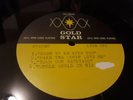
As stated earlier, this twelve inch multi track acetate does not have labels on either side. One side of the acetate has 7 tracks, the other side has 4 tracks. For the sake of nomenclature, I am calling the 7 track side "One Side" and the 4 track side "The Other Side" Most of the versions of Badfinger songs on this 1971 acetate were completely unreleased in any form until 2010 with the version of "Perfection" with the false start being unreleased.
ONE SIDE
1) Suitcase (This version of this song was not released until a group of Badfinger LPs was released with bonus tracks in 2010)
2) I'll Be The One - Two Skips (This version of this song was not released until "Timeless - The Musical Legacy" was released with bonus tracks in 2010)
3) No Good At All
4) Sweet Tuesday Morning - Three Skips
5) Baby Please
6) Mean Mean Jemima (This version of this song was not released until a group of Badfinger LPs was released with bonus tracks in 2010)
7) Loving You (This version of this song was not released until a group of Badfinger LPs was released with bonus tracks in 2010)
THE OTHER SIDE
1) The Name of the Game - Several Skips In the Beginning - (This version of this song was not released until a group of Badfinger LPs was released with remastered and bonus tracks in 2010)
2) Money - 1 Skip and surface noise in the first 45 seconds or so (This version of this song was not released until a group of Badfinger LPs was released with remastered and bonus tracks in 2010)
2B) Flying (This song is in the same track band as the song "Money") (This version of this song was not released until a group of Badfinger LPs was released with remastered and bonus tracks in 2010)
3) Sing For the Song
4) Perfection - THIS IS THE TRACK THAT BEGINS WITH WHAT SOUNDS LIKE A FALSE START OF THE TAPE MACHINE. THIS ASPECT OF THIS SONG IS UNRELEASED. (This version of this song was not released until a group of Badfinger LPs was released with remastered and bonus tracks in 2010)
SUMMARY
While this Badfinger acetate is not in what most collectors would call collectible condition, the uniqueness of this particular acetate combined with the unreleased aspects of it put this disk in what I have coined "Liberty Bell" condition. Like the original "Liberty Bell" of the United States, the historical circumstances surrounding the origin of this disk as well as it's unique contents elevate the desirability of this acetate beyond being determined solely by its physical condition.
----------------------------------------------------------------------------------------------------------------------------
This is one selection out of a highly important collection of acetates, test pressings, standard production records and entertainment awards from a media collection that ranges from the 1950s through the 1990s and was owned by a highly talented and diverse individual who served in a variety of jobs in the music and movie divisions of the entertainment industry most notably including serving as a Director in the Promotions Department of the Beatles record company, Apple Records.
This individual also worked in the executive office of Phil Spector Productions in the early to mid 1970s.Most of the acetates and test pressings in this collection had standard record studio acetate and pressing plant test pressing labels but there are some from earlier in the audio review stage of record production that have no labels at all. Unlabled reference acetates have to be listened to on a record player in order to determine what they are.
This particular test pressing was Phil Spector’s personal work test pressing. I would say that this test pressing was used for making decisions about the final mixes of the songs on the album or 45.
As I said, The former Apple Records employee who owned this test pressing also worked with Phil Spector on a regular basis. I was told by this employee that Phil Spector would frequently discard record production materials such as acetates and test pressings, recording equipment and regular production records once he no longer needed those items.
This test pressing came from the same collection of records and acetates as the A&M Studio Label Alternate Acetates that I sold last month on Ebay that were used in producing the “The Concert for Bangladesh” three record box on Apple Records featuring George Harrison, Bob Dylan, Billy Preston, Ringo Starr and Leon Russell.
Check my past and present listings for more rare Philles and Apple Records records, acetates and awards.
This test pressing will come with a Letter of Authenticity signed by myself. My name is Christopher Chatman of Beyond Records and I have been writing and dealing in test pressings, acetates, gold record awards and extremely rare music items since 1977.
I wrote in the 1990s an article called "What is an acetate and why do they cost so much money? The article was published in the 1990 book "Goldmine's Rock N' Roll 45 rpm Record Price"
price rating