Blind Faith, S/T, LP, SD-33-304, STCO, Banded UK Cover, American Vinyl 1st Press
$
40


Favourite Auctions
To save auctions to your favourites, please login
If you don't have an account, please register
Description
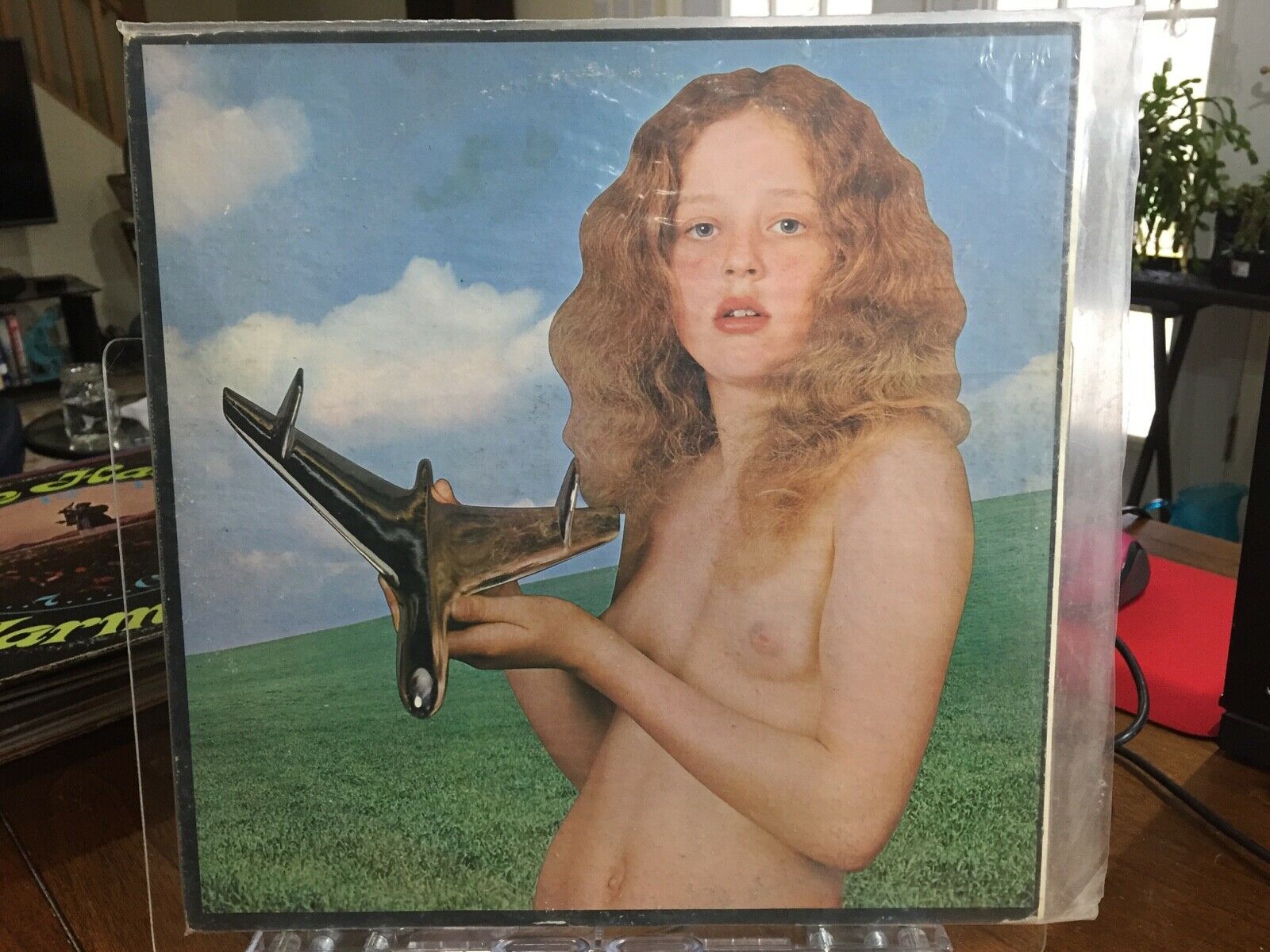
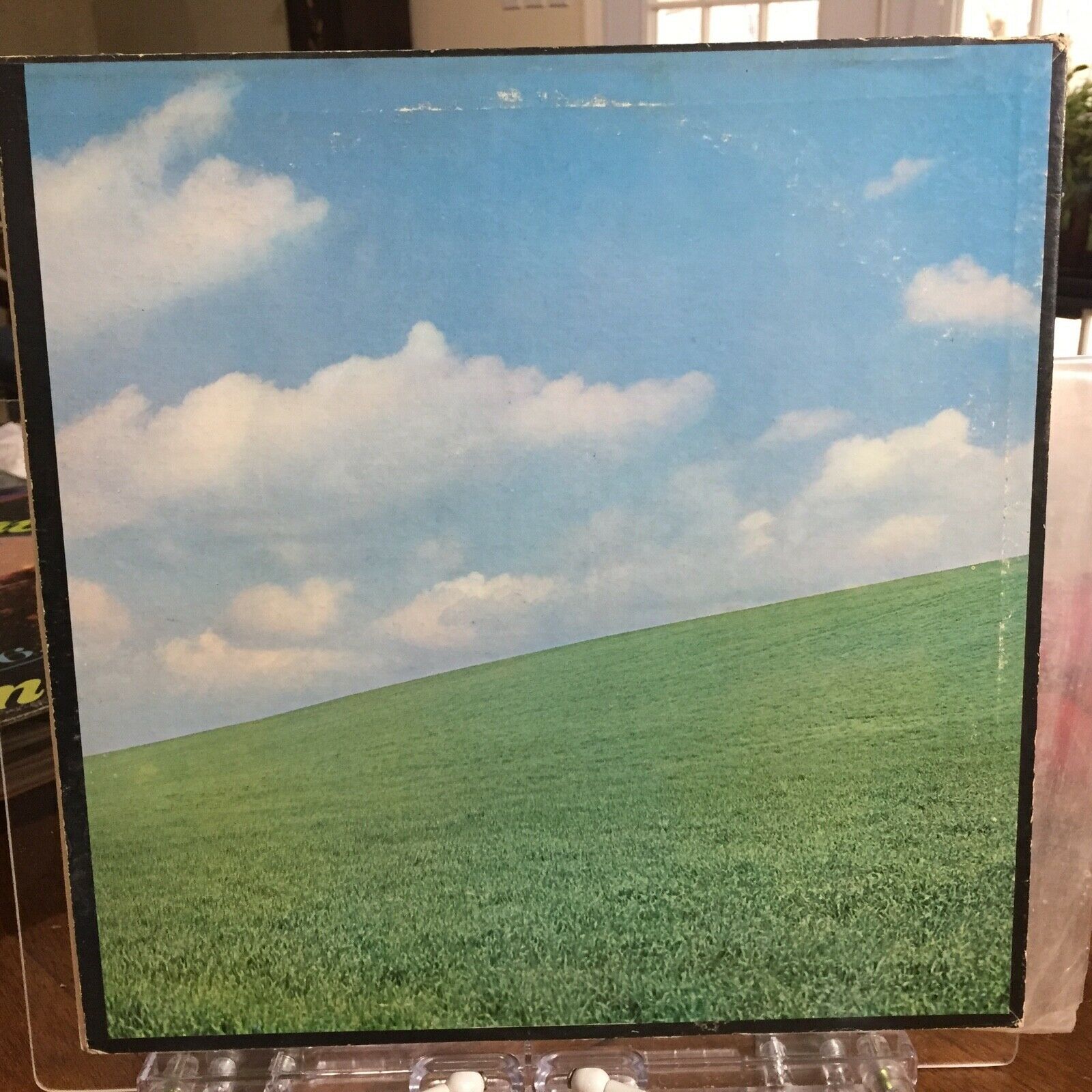
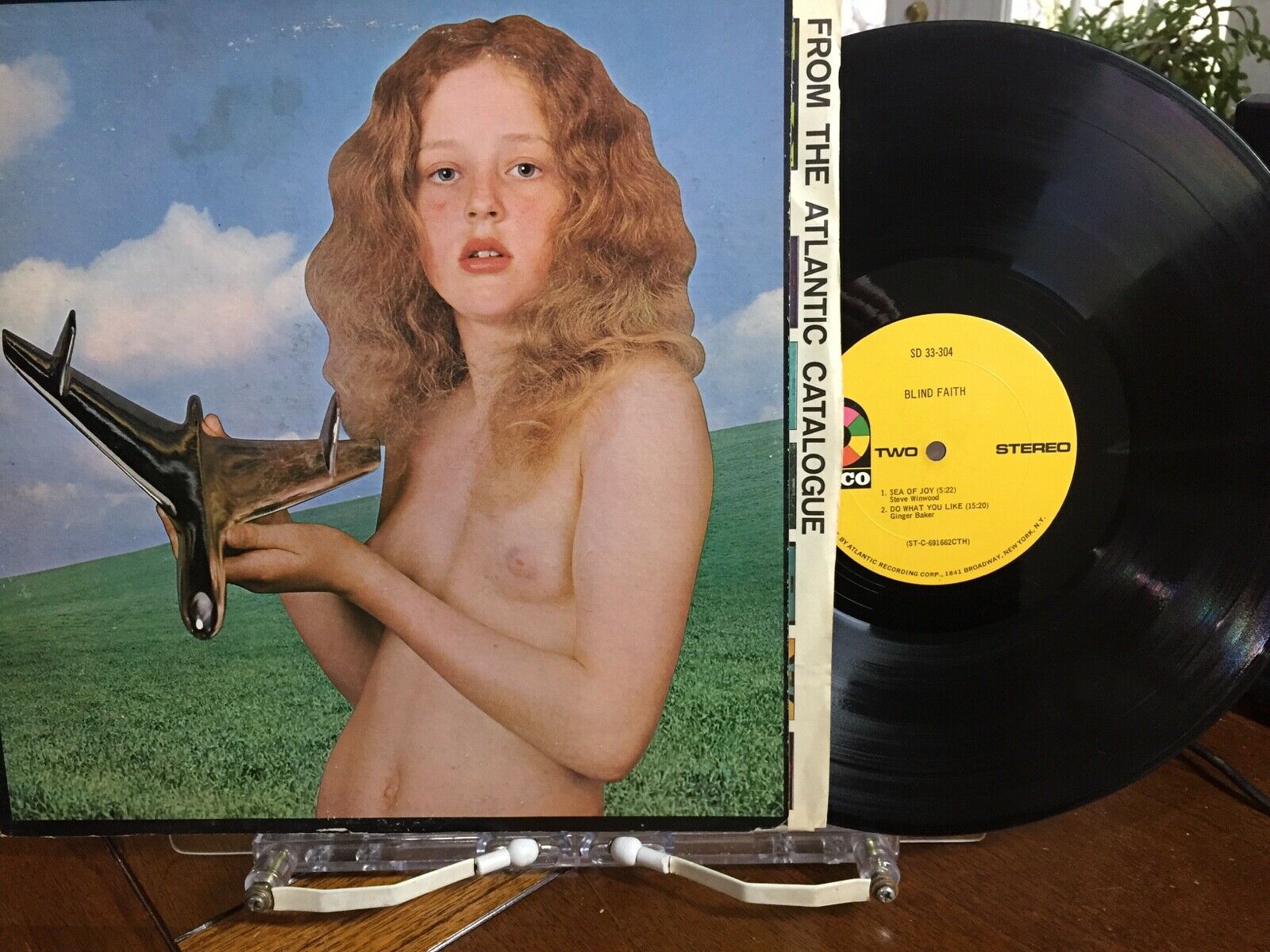
Stock photos are not used. Photos of actual item serve as a description of sleeve condition. Look at them. There is a reflection of light on some of the vinyl ~ not a scratch. The big SPLOTCH on the front is on the shrink wrap only ~ it was a price sticker.
Blind Faith is the self-titled and only album by the English supergroup Blind Faith, originally released in 1969 on Polydor Records in the United Kingdom and Europe and on Atlantic Records in the United States. It topped the album charts in the UK, Canada and US, and was listed at No. 40 on the US Soul Albums chart. It has been certified platinum by the RIAA.
Background[edit]
The band contained two-thirds of the popular power trio Cream, in Ginger Baker and Eric Clapton, working in collaboration with British star Steve Winwood of the Spencer Davis Group and Traffic, along with Ric Grech of Family. They began to work out songs early in 1969, and in February and March the group was in London at Morgan Studios, preparing for the beginnings of basic tracks for their album, although the first few almost-finished songs didn't show up until they were at Olympic Studios in April and May under the direction of producer Jimmy Miller.[2]
The recording of their album was interrupted by a tour of Scandinavia, then a US tour from 11 July (Newport) to 24 August (Hawaii), supported by Free, Taste and Delaney & Bonnie and Friends. Although a chart topper, the LP was recorded hurriedly and side two consisted of just two songs, one of them a 15-minute jam entitled "Do What You Like". Nevertheless the band was able to produce two hits, Winwood's "Can't Find My Way Home" and Clapton's "Presence of the Lord”.[2][3]
Album cover controversy[edit]
The cover featured a topless pubescent girl holding what appears to be the hood ornament of a Chevrolet Bel Air, which some perceived as phallic.[4][5] The American record company issued it with an alternative cover showing a photograph of the band on the front as well as the original cover.
The cover art was created by photographer Bob Seidemann, a friend and former flatmate of Clapton's who is primarily known for his photos of Janis Joplin and the Grateful Dead. In the mid-1990s, in an advertising circular intended to help sell lithographic reprints of the famous album cover, he explained his thinking behind the image.
I could not get my hands on the image until out of the mist a concept began to emerge. To symbolize the achievement of human creativity and its expression through technology a spaceship was the material object. To carry this new spore into the universe, innocence would be the ideal bearer, a young girl, a girl as young as Shakespeare's Juliet. The spaceship would be the fruit of the tree of knowledge and the girl, the fruit of the tree of life. The spaceship could be made by Mick Milligan, a jeweller at the Royal College of Art. The girl was another matter. If she were too old it would be cheesecake, too young and it would be nothing. The beginning of the transition from girl to woman, that is what I was after. That temporal point, that singular flare of radiant innocence. Where is that girl?[6]
Seidemann wrote that he approached a girl reported to be 14 years old on the London Underground about modelling for the cover, and eventually met with her parents, but that she proved too old for the effect he wanted. Instead, the model he used was her younger sister Mariora Goschen, who was reported to be 11 years old.[7] Mariora initially requested a horse as a fee but was instead paid £40.[7][8]
The image, titled "Blind Faith" by Seidemann, became the inspiration for the name of the band itself, which had been unnamed when the artwork was commissioned. According to Seidemann: "It was Eric who elected to not print the name of the band on the cover. The name was instead printed on the wrapper, when the wrapper came off, so did the type." This had been done previously for several other albums.
In America, Atco Records made a cover based on elements from a flyer for the band's Hyde Park concert of 7 June 1969 in London.
Release history[edit]
The album was released on vinyl in 1969 on Polydor Records in the UK and Europe, and on Atco Records in the US. Polydor released a compact disc in 1986, adding two previously unreleased tracks, "Exchange and Mart" and "Spending All My Days", recorded by Ric Grech for an unfinished solo album, supported by George Harrison, Denny Laine, and Trevor Burton.[9]
An expanded edition of the album was released on 9 January 2001, with previously unreleased tracks and 'jams' included. The studio electric version of "Sleeping in the Ground" had previously been released on the four-disc boxed set for Clapton, Crossroads (released 1988, recorded 1963–1987, including several previously unreleased live or alternate studio recordings). The bonus disc of jams does not include bassist Grech, who had yet to join the band, but includes a guest percussionist, Guy Warner. Two live tracks from the 1969 Hyde Park concert not included here, "Sleeping in the Ground" and a cover of "Under My Thumb", are also available on Winwood's four-disc retrospective The Finer Things.
Side one[20]
No.
Title
Writer(s)
Length
1
"Had to Cry Today"
Steve Winwood
8:48
2
"Can't Find My Way Home"
Winwood
3:16
3
"Well All Right"
Buddy Holly, Jerry Allison, Joe B. Mauldin, Norman Petty
4:27
4
"Presence of the Lord"
Eric Clapton
4:50
Side two[20]
No.
Title
Writer(s)
Length
5
"Sea of Joy"
Winwood
5:22
6
"Do What You Like"
Ginger Baker
15:18
price rating