GENESIS - THREE SIDES LIVE PROMO w/OBI & inserts 2LP JAPAN - vinyl P-5612/13
$
45

Favourite Auctions
To save auctions to your favourites, please login
If you don't have an account, please register
Description
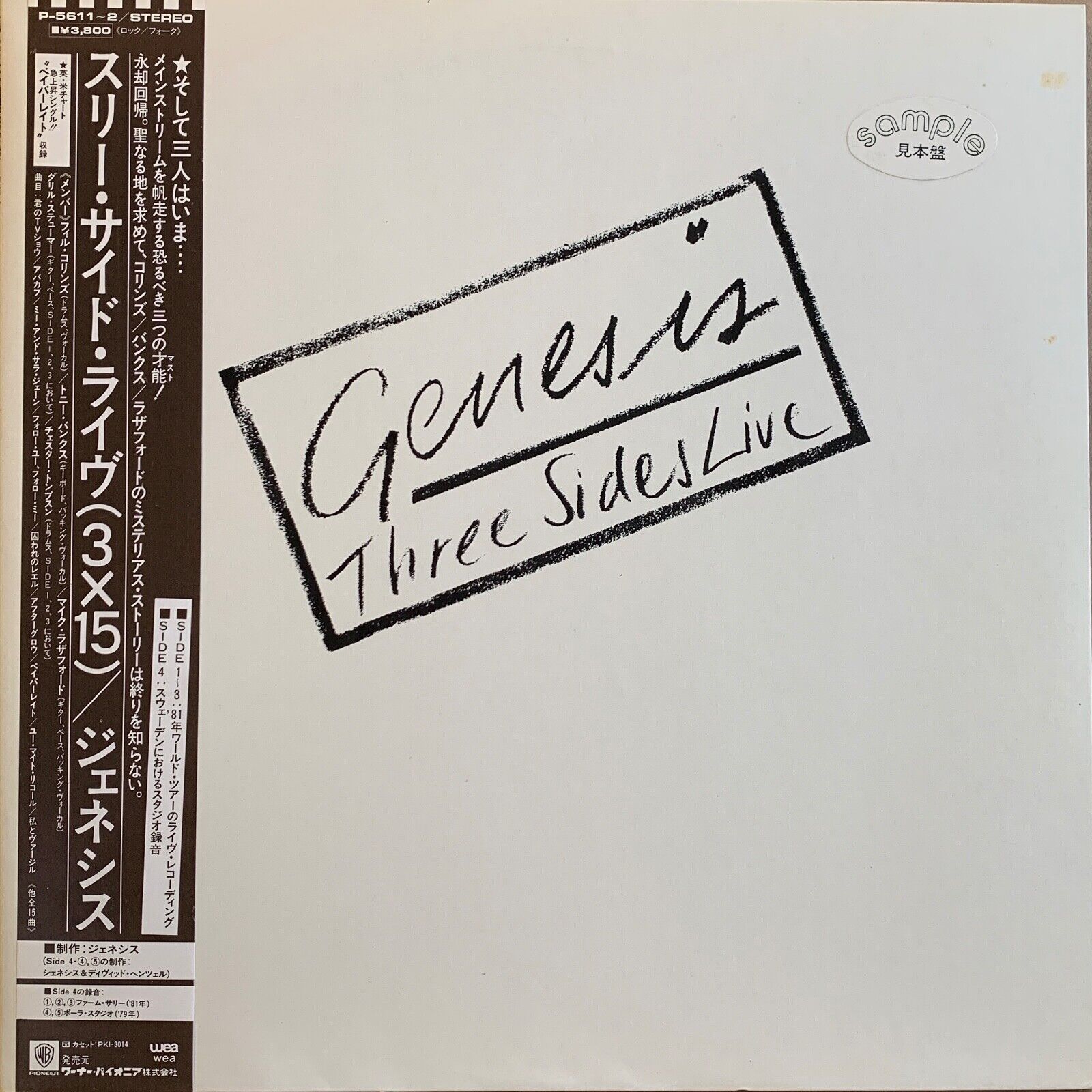
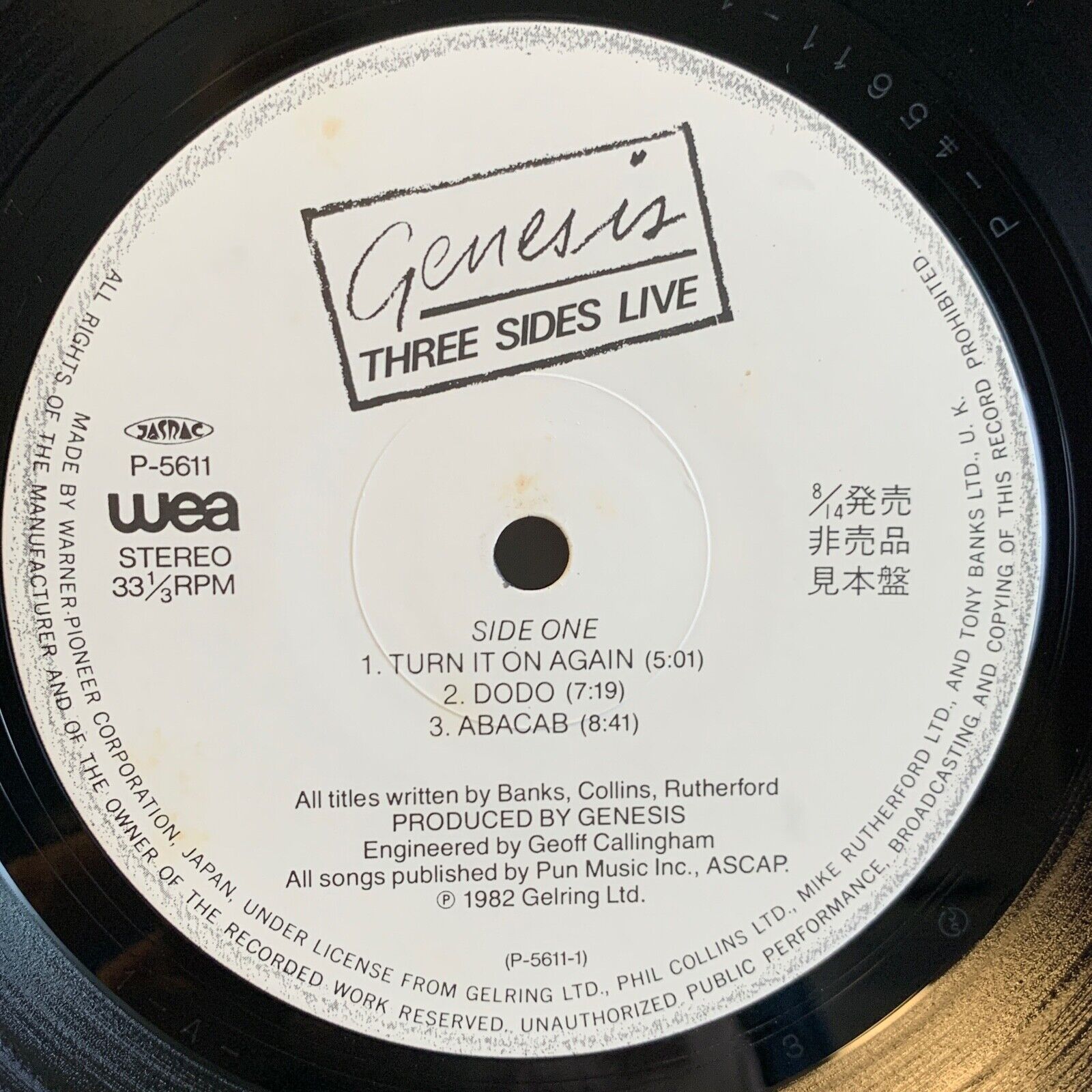
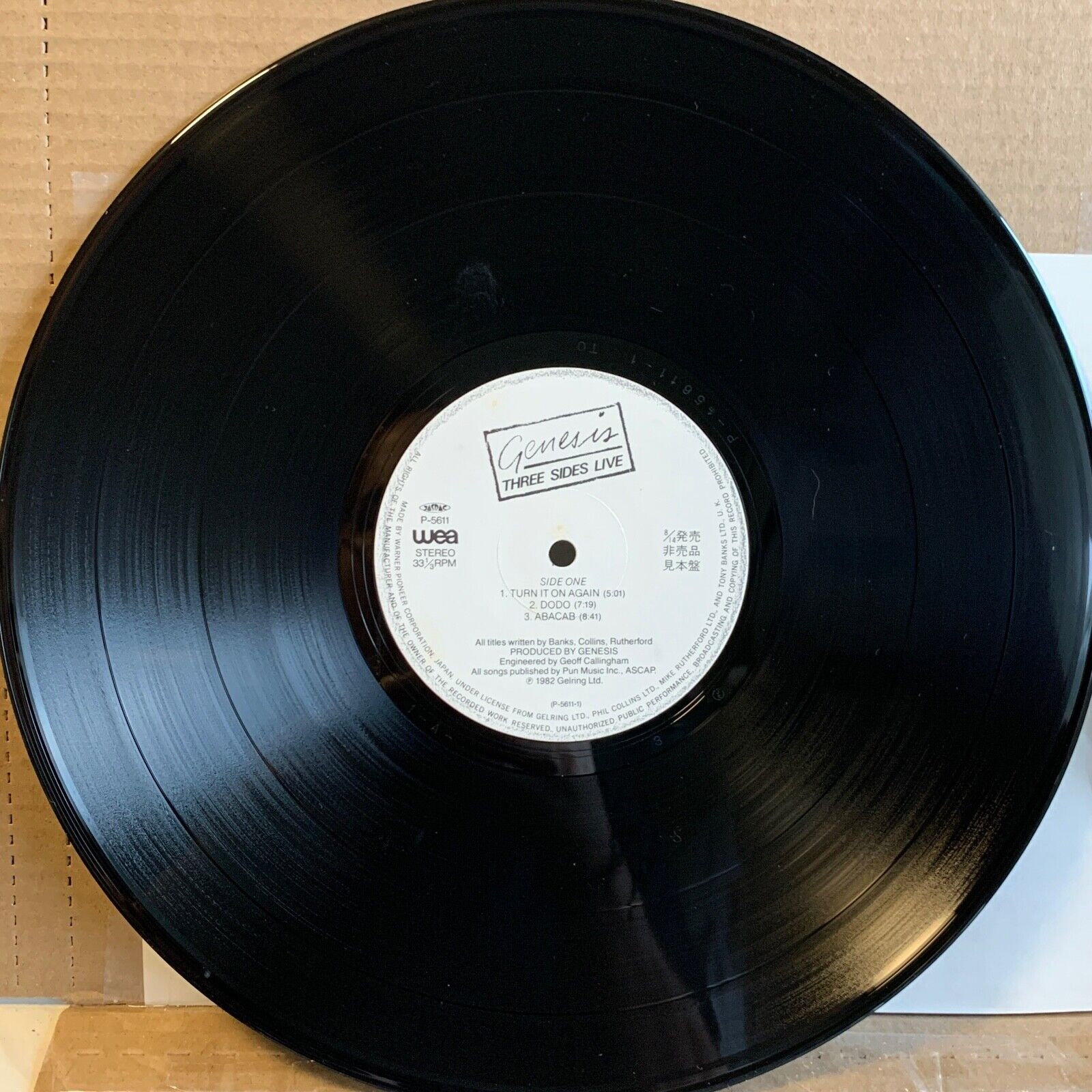
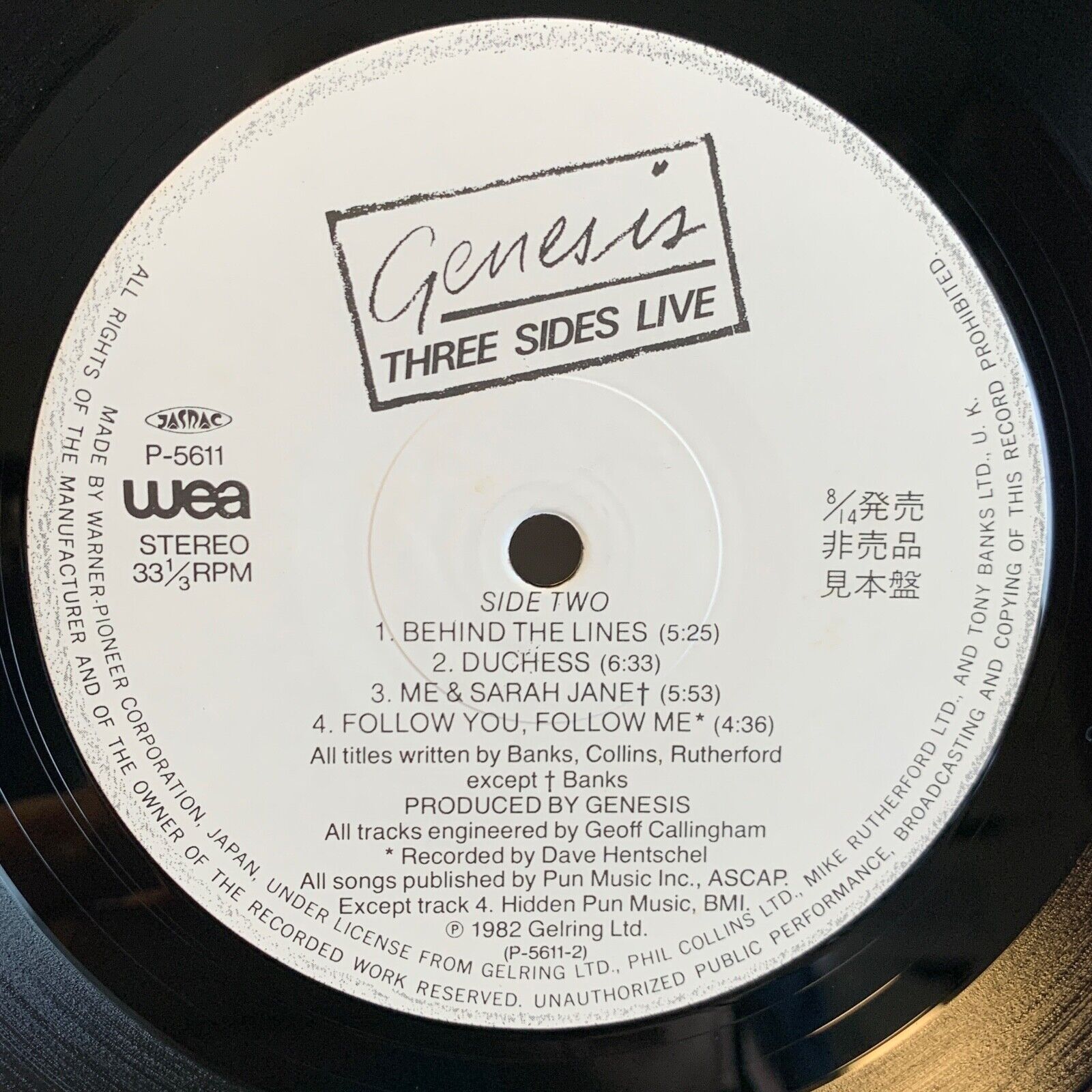
Japanese WEA PROMO pressing WITH obi and both inserts. Gorgeous virgin vinyl pressing plays NM. Cover is very close to NM but graded VG+ due to (2) light foxing marks (brownish “rust” stains common to paper goods from Japan) visible on the cover and (1) on the A label (see last few images for examples). 1982 live release featuring a 4th side of studio recordings that were previously unreleased, promotional copy with promo sticker on cover and release date 8/14 with 非売品 (translation: "Not For Sale") and 見本盤 (translation: "Sample Disc") printed on labels.
Very hard to find in NM condition vinyl WITH the obi and both inserts, this copy appears to possible be unplayed (NO spindle marks!) and will make a great addition to the collection of any Genesis fan!
USA Media Mail postage is a flat $5.50 for any size order within USA. Most items ship within 12-24 hours of payment!
MightyVinyl is THE premier source for quality authentic Japanese vinyl pressings. We travel to Japan 1-2 times annually to procure authentic Japanese vinyl, and since we’re located in the USA you don’t pay exorbitant international postage & customs fees. Since we use only the highest-quality bespoke cardboard record mailers with additional cardboard inserts for extra padding, you are assured of receiving your items without the damage often incurred with International shipments.
MightyVinyl has been serving record collectors worldwide since 1990, with over 7,800 5-star reviews, 13,500 completed transactions, and a 100% seller rating on Discogs as of 1/1/2024. We have over 30,000 items in stock for immediate shipment from our Seattle warehouse.
Why Japanese vinyl? Japanese vinyl was considered “CD’s before CD’s” by audiophiles in the 1970’s and beyond. While US manufacturers were using crappy low cost recycled vinyl and low quality cardboard & printing technologies, the Japanese industry prided themselves on meticulous pressings from 100% Virgin Vinyl. They utilized much higher quality cardboard for covers, visibly better printing technologies, and always included extra items not found in their US or European counterparts. Items like the obi (“sash”) which provided Japanese information on the release for the domestic public, posters, informational & photo inserts, etc., were always produced by the Japanese record industry. The Japanese are MASTERS at packaging as you’ll see when you get these items into your hands. Nothing in the world compares. They often remastered their releases for the highest quality audiophile experience, with nearly zero surface noise.
I’m a collector too, so I care about the little things that make this hobby so rewarding.
“If you haven’t heard the Japanese version of your favorite album, there’s a 99% chance it will blow you away once you do. Starting in the late 70’s, US manufactured records were often produced from recycled vinyl which created a noisier pressing, using stampers across a large pressing count. Japanese record companies, on the other hand, used Virgin Vinyl to manufacture ttheir records resulting in dead-quiet, high quality audiophile grade pressings and generally had much smaller pressing runs for their western releases.
The other item of note is that record companies actually did re-master for the Japanese editions of a release highly focused on mastering for best sound so it is entirely possible that you’ll notice elements in a track for the first time, even though you’ve listened to the song countless times on your (domestic) pressing.
Aside from the record, significantly better materials were used for the covers and artwork resulting in 30 year old jackets that look better than their brand-new counterparts released now… and let’s not forget the extra’s that only come with the Japanese release, like the obi (to help Japanese consumers who may not read English) and lyric/bio sheets in English & Japanese.” – Drowned World Records.
GOLDMINE STANDARD GRADING:
SS Still Sealed - in original factory shrink wrap.
M Mint - I RARELY use this grade - once an item is handled it's usually no longer MINT. When used, MINT indicates absolutely perfect in every way. Certainly never been played.
NM Near Mint - a near perfect, probably unplayed record. NM covers have no creases, folds, seam splits or signs of wear. A nearly perfect record. Many dealers won't give a grade higher than this implying (perhaps correctly)that no record is ever truly perfect. The record should show no obvious signs of wear. A 45 RPM or EP sleeve should have no more than the most minor defects, such as almost invisible ring wear or other signs of slight handling. Basically, an LP in near mint condition looks as if you just got it home from a new record store and removed the shrink wrap.
VG+ Very Good Plus - close to like new with only superficial signs of use that don't affect play. Only well cared for records will grade out to VG+. Will satisfy all but the most demanding collector. Except for a couple of minor things, this would be near mint. VG+ covers are close to their Near Mint counterparts but will be marred in some fashion with some signs of handling and/or wear at the most vulnerable areas. A Very Good Plus record will show some signs that it was played and otherwise handled by a previous owner who took good care of it. Record surfaces may show some signs of wear and may have slight scuffs or very light scratches that don't affect one's listening experiences. Slight warps that do not affect the sound are "OK". The label may have some ring wear or discoloration, but it should be barely noticeable. The center hole will not have been misshapen by repeated play. Picture sleeves and LP inner sleeves will have some slight wear, lightly turned up corners, or a slight seam split. An LP cover may have slight signs of wear also and may be marred by a cut-out hole, indentation or corner indicating it was taken out of print and sold at a discount.
price rating