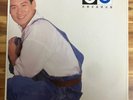
JEFF BECK GROUP - SAME epic EPC 32490 LP NL
€
20
$
23


Favourite Auctions
To save auctions to your favourites, please login
If you don't have an account, please register
Description
endrucomics Store
PREMESSA: LA SUPERIORITA' DELLA MUSICA SU VINILE E' ANCOR OGGI SANCITA, NOTORIA ED EVIDENTE. NON TANTO DA UN PUNTO DI VISTA DI RESA, QUALITA' E PULIZIA DEL SUONO, TANTOMENO DA QUELLO DEL RIMPIANTO RETROSPETTIVO E NOSTALGICO , MA SOPRATTUTTO DA QUELLO PIU' PALPABILE ED INOPPUGNABILE DELL' ESSENZA, DELL' ANIMA E DELLA SUBLIMAZIONE CREATIVA. IL DISCO IN VINILE HA PULSAZIONE ARTISTICA, PASSIONE ARMONICA E SPLENDORE GRAFICO , E' PIACEVOLE DA OSSERVARE E DA TENERE IN MANO, RISPLENDE, PROFUMA E VIBRA DI VITA, DI EMOZIONE E DI SENSIBILITA'. E' TUTTO QUELLO CHE NON E' E NON POTRA' MAI ESSERE IL CD, CHE AL CONTRARIO E' SOLO UN OGGETTO MERAMENTE COMMERCIALE, POVERO, ARIDO, CINICO, STERILE ED ORWELLIANO, UNA DEGENERAZIONE INDUSTRIALE SCHIZOFRENICA E NECROFILA, LA DESOLANTE SOLUZIONE FINALE DELL' AVIDITA' DEL MERCATO E DELL' ARROGANZA DEI DISCOGRAFICI .
JEFF BECK GROUP
same / eponymous
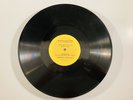
Disco LP 33 giri , 1972, this is mid 80's reissue, EPIC / cbs, EPC 32490 ( 01-032490-20 ) , holland
OTTIME CONDIZIONI, vinyl ex++/NM , cover ex++.
Jeff Beck , nome completo Geoffrey Arnold Beck (Wallington, 24 giugno 1944) è un chitarrista britannico.
È uno dei chitarristi rock più influenti degli anni '60 e '70, contribuendo a definire la chitarra moderna in un vasto spettro di generi, che include blues rock, heavy metal, fusion e hard rock.
The Jeff Beck Group were an English rock band formed in London in January 1966 by ex-Yardbirds guitarist Jeff Beck. Their innovative approach to heavy-sounding blues was a major influence on popular music during the late 1960s and early 1970s.
Jeff Beck Group is the fourth studio album by The Jeff Beck Group and the second album with the line up of Jeff Beck, Bobby Tench, Clive Chaman, Max Middleton and Cozy Powel. The album was produced by Steve Cropper and often referred to as the Orange album, because of the segmented orange at the top of the front cover.
During January 1972 the second Jeff Beck Group flew to USA and joined Beck at TMI studios in Memphis Tenessee. Some of the songs they worked on were already in their stage act. Unlike Rough and Ready five covers were recorded, including a new version of Ashford & Simpson's "I can't give back the love I feel for you". The Cropper and Beck collaboration "Sugar cane" was one of several songs written whilst in the studio. At an "end of recording party", Beck was congratulated by Don Nix on his version of Going down. Jeff Beck Group was released in US on May 1st 1972. The UK release was held back until June 9th and tours of UK and US followed. There were no singles taken from this album.
- Interprete: Jeff Beck Group
- Etichetta: Epic
- Catalogo: EPC 324907
- Matrici : 01-32490-1A-1 / 01-32490-1B-1
- Data di pubblicazione: around 1985
- Supporto:vinile 33 giri
- Tipo audio: stereo
- Dimensioni: 30 cm.
- Facciate: 2
- grey-blue label, white paper inner sleeve
Track listing
- "Ice Cream Cakes" (Beck)
- "Glad All Over" (Schroeder, Tepper, Bennett)
- "Tonight I'll Be Staying Here With You" (Bob Dylan)
- "Sugar Cane" (Beck,Cropper)
- "I Can't Give Back the Love I Feel For You" (Valerie Simpson, Nickolas Ashford, Brian Holland)
- "Going Down" (Don Nix)
- "I Got To Have A Song" (Stevie Wonder,Hunter,Hardaway,Riser)
- "Highways" (Beck)
- "Definitely Maybe" (Beck)
Formazione
- Jeff Beck guitar
- Bobby Tench vocals
- Clive Chaman bass
- Max Middleton keyboards
- Cozy Powell drums
Biografia
Negli Yardbirds
Beck iniziò la propria carriera nei primi anni '60 come turnista. Nel 1965 fu reclutato dagli Yardbirds, che avevano appena perso Eric Clapton, trasferitosi nei John Mayall's Bluesbreakers. Fu con Beck che gli Yardbirds divennero un gruppo famoso nella scena del rock britannico della fine anni '60. Beck, in particolare, si dimostrò un abile show man; nella formazione assieme a Jimmy Page appare anche nel film cardine della Swinging London Blowup del 1966, in cui gli Yardbirds fecero una comparsa e nel quale Beck sfascia una chitarra ad imitazione di Pete Townshend degli Who (scelti in un primo tempo nella pellicola di Antonioni).
Nel 1966 Beck divise il proprio ruolo di chitarra solista degli Yardbirds con Jimmy Page. Con il gruppo Beck riuscì a incidere un unico album, Roger the Engineer (1966); dopo 18 mesi, adducendo motivi di salute, abbandonò.
Jeff Beck Group
L'anno successivo Beck fondò una nuova band, chiamata Jeff Beck Group; includeva Rod Stewart alla voce, Ron Wood al basso, Nicky Hopkins al pianoforte e Mick Waller alla batteria. Il gruppo incise due album: Truth (1968) e Beck-Ola (1969). Entrambi questi lavori furono molto ben accolti dalla critica, e sono oggi considerati antesignani dell'heavy metal (tra l'altro precedettero di poco gli album dei Led Zeppelin).
Alla fine del 1969, attriti all'interno del gruppo portarono Stewart e Wood ad abbandonare. Beck creò una seconda incarnazione della band, con Clive Chapman al basso, Max Middleton alle tastiere, Cozy Powell alla batteria e Bob Tench alla voce. Questo gruppo prese una direzione artistica decisamente diversa dal precedente, unendo elementi pop, rock, rhythm'n'blues e jazz, anticipando la fusion. Pubblicarono due album: Rough And Ready (1971) e The Jeff Beck Group (1972). Anche questa seconda incarnazione del "Jeff Beck Group" si sciolse dopo poco tempo.
Nel 1972, Beck diede vita a un'altra formazione, il power trio Beck, Bogert & Appice, con Carmine Appice alla batteria e Tim Bogert al basso (sezione ritmica dei Vanilla Fudge); questa formazione incise soltanto un singolo di successo, una cover di Superstition di Stevie Wonder.
Carriera solista
Nel 1975, Beck incise un album solista strumentale decisamente fusion, Blow by Blow, che ebbe un successo inaspettato di pubblico e di critica. Questo lavoro fu seguito da una collaborazione di Beck con Jan Hammer per l'album Wired (1976), un altro album molto apprezzato dalla critica.
In seguito, Beck incise in modo sporadico, dedicandosi a propri lavori solisti o discontinue collaborazioni. Fra i lavori solisti si devono citare There and Back (1980, con Simon Phillips e Jan Hammer), Flash (1985, con Rod Stewart e Jan Hammer), Guitar Shop (1989, con Terry Bozzio), Crazy Legs (1993), Who Else (1999), e You Had It Coming (2001), Jeff (2003).
Fra le collaborazioni si possono citare quelle con Jon Bon Jovi, Les Paul, Cyndi Lauper, Roger Waters (Amused to Death), Brian May (Another World), ZZ Top (XXX).
Strumentazione
Jeff Beck è solito suonare chitarre Fender, anche se nel corso della sua carriera ha utilizzato in pubblico chitarre di altre marche tra cui la celebre Gibson Les Paul. Famosa è la sua Fender Esquire del 1954, di cui la Fender ha realizzato una replica in versione limitata a soli 100 esemplari. Attualmente Jeff suona una Stratocaster realizzata da Fender su sue specifiche: le caratteristiche peculiari di questa chitarra sono: - il ponticello del manico dotato di sfere, per agevolare lo scivolamento delle corde all'uso della leva (del quale Jeff è tuttora considerato un maestro), senza rischiare di scordare lo strumento - il ponte a due viti, che permette un migliore uso della leva - i pickup Fender Noiseless
Fender produce e vende repliche di questa chitarra sia in edizione standard, sia in edizione "Custom Shop", la cui fattura è migliore, poiché si avvicina di più allo stile artigianale. Parlando delle sue chitarre, Jeff Beck ha dichiarato (1993) di possederne 44, delle quali solo una minima parte sarebbero strumenti buoni, aggiungendo che il più delle volte sceglie la Stratocaster, che considera uno strumento molto versatile. Jeff utilizza amplificatori prevalentemente di marca Marshall o Fender, e suona con le dita, ovvero senza l'utilizzo del plettro.
Biografia:24 Giugno 1944, Wallington, Surrey, Inghilterra, nasce Jeffrey Arnold Beck (alias Jeff Beck), uno dei più grandi interpreti della chitarra elettrica del secolo appena trascorso, precursore e ispiratore di un movimento che giunge oggi a noi con chitarristi del calibro di Steve Vai e Joe Satriani. Jeff Beck ha saputo creare uno stile e un linguaggio che solo Hendrix seppe a suo tempo raggiungere, pur riuscendo sempre a sfuggire all'occhio dei media e dello spettacolo di massa per rimanere in un ambiente di soli appassionati.
Sotto la spinta dei genitori a 8 anni il giovane Beck inizia a suonare il pianoforte, ma nonostante l'iniziale costanza presto abbandona per dedicarsi allo studio del violino. Neanche questo strumento sembra però andare a genio al piccolo Jeff che improvvisamente all'età di 13 anni viene colto da mistica ispirazione e decide di costruirsi la sua chitarra elettrica, colorandola di giallo e modificando una vecchia radio per usarla come amplificatore. All'età di 15 anni comincia a suonare in un gruppo, i Deltones, coverband degli Shadow, famosa band inglese.
Nel 62, esattamente tre anni dopo entra nei Tridents, ma la sua permanenza dura ben poco, infatti suonando nei vari locali viene a contatto con molti musicisti tra cui Jimmy Page, che all'epoca suonava nei Neil Christian & The Crusaders, e che si dice abbia contribuito non poco al fatto che nel '65 il ventunenne Jeff entrasse al posto di Eric Clapton negli Yardbirds (grazie anche alla considerevole spinta di Lord Sutch).
Infatti inizialmente l'intenzione era quella di sostituire Clapton con Page, il quale rifiutò cedendo così il posto al nuovo promettente chitarrista. Così la band cominciò a esibirsi per l'europa (facendo tappa anche a Sanremo nel '66, senza però ricevere alcun riconoscimento e ricavando davvero una cattiva impressione da uno spettacolo dove "si giudica per lo show e non per la musica"). Proprio in questi anni Hendrix dichiara che Jeff Beck è il miglior chitarrista in Inghilterra. Presto però viene affiancato da Page che con un cambiamento di piani si propone per il ruolo precedentemente rifiutato. Nel 67 Beck esce dal gruppo, e lascia Page che avrebbe, da lì a poco, formato quelli che poi sarebbero diventati i Led Zeppelin.. ma pochi sanno che in quel lasso di tempo Page, Beck, un session-man di nome John Paul Jones e Keith Moon (che si dice pensasse di separarsi dagli Who) si erano ritrovati per incidere un pezzo composto proprio da Page di nome Beck's Bolero, dando vita ad una sorta di proto-LedZeppelin. Ma la storia ha voluto che Beck si trovasse con Ron Wood (basso), Mick Waller (batteria) e Rod Stewart (voce) e desse vita al suo gruppo solista mentre Page, J.P.Jones, Bohman e Plant creavano quelli che sarebbero diventati i Led Zeppelin così come li conosciamo. Tra le altre ci sono alcune curiose corrispondenze tra Truth, il primo disco di Jeff Beck e Led Zeppelin I, che oltre ad uno stile hanno in comune anche la cover di You Shook Me di Willie Dixon, e un certo "spirito"...probabilmente la miglior organizzazione e il carisma degli Zeps ha vinto sul pubblico e così oggi molti si ricordano il mitico Led Zeppelin I ma pochi altri invece ricordano questo Truth, che è comunque uno dei dischi che hanno fatto la storia del rock. Nel '69 al disco succede Beck-Ola (con Tony Newman alla batteria), già meno indirizzato alla massa ma comunque di notevole spessore, che inizialmente doveva chiamarsi "Cosa Nostra Beck-Ola". Alla casa discografica il nome non piacque e il titolo così venne cambiato in Beck-Ola (Beckola era il soprannome di Jeff all'epoca datogli da Peter Grant).
A questo punto Rod Stweart lascia il gruppo per dedicarsi alla fama e alla gloria e J.B. decide di creare un nuovo gruppo con Carmine Appice e Tim Bogert dei Vanilla Fudge ma i suoi piani vengono spazzati via da un grave incidente d'auto nel '70 (dove si procurò la cicatrice al naso) che lo costringe ad un ricovero di 3 mesi all'ospedale di West Kent. Uscito dall'ospedale si vocifera abbia fatto alcune session con Page, Plant e Cozy Powell, per poi dedicarsi alla creazione del nuovo Jeff Beck Group.
Così nel '71 Max Middleton (tastiere), Cozy Powell (batteria), Clive Chaman (basso) e Bobby Tench (voce) sotto il nome di Jeff Beck Group registrano Rough and Ready e subito dopo nel '72 il disco omonimo. Snobbato da molti Jeff Beck Group è in realtà un disco davvero bello dove la classe di Jeff non manca mai e trova sempre degno supporto da parte della band. Ora Jeff ha occasione di suonare con Bogert e Appice che dopo album da studio e un live rilasciato in Giappone, di cui in Europa e in America non si è vista ombra, il gruppo si scioglie prima di dare vita ad un ultimo lavoro che rimane incompiuto (il manager di Jeff lo chiamava "Ine Cline Rock Musiq", e se ne sa davvero poco).
Intanto nel '75 un gruppo sconosciuto, i Rolling Stones :) , dopo alcune session con Jeff decidono di prederlo come chitarrista fisso, ma a causa di un malinteso il chitarrista non accetta, e, dopo essersi reso conto dell'errore, si ritira per incidere il lavoro che nello stesso anno verrà alla luce con il titolo di Blow By Blow. L'abum è un capolavoro, un disco Rock-Fusion di primissimo livello che mostra le incredibili doti di Jeff (durante il tour nella data di Miami il gruppo suona con la band di Tommy Bolin, che la sera stessa muore per overdose, davvero un brutta perdita per il mondo del rock).
L'anno dopo grazie alla collaborazione con Jan Hammer (Mahavishnu Orchestra) nasce Wired, considerato da molti come il capolavoro di Beck, un disco che segue le orme del suo predecessore pur rimanendo tanto originale quanto bello. Così parte un tour a due gruppi, quello di Beck e quello di Hammer che girano un po' il mondo, e il tutto viene documentato nel live del '77 "With The Jan Hammer Group Live". Alla conclusione delle date stabilite i gruppi si ritirano per un breve periodo, fino all'uscita di There and Back, che vede ancora la collaborazione con Hammer, anche se questa volta il lavoro non è ai livelli dei precedenti. Negli anni '80 beck si ritira quasi completamente dalla scena, dedicandosi al suo hobby principale, le automobili. Così passano gli anni e a parte qualche comparsa assieme a Plant e JPJ, Tina Turner, qualche session con Mick Jagger e Jan Hammer, e un disco modesto come Flash nell '85, Beck si vede di rado.
Nell'89 però esce Jeff Beck's Guitar Shop, e ancora una volta il guitar hero stupisce per l'abilità con cui mescola stili e suoni davvero difficili rendendoli come fossero la cosa più facile di questo mondo. In questo disco tra l'altro lo accompagnano nientepopodimeno che Terry Bozzio e Tony Hymas, che si sa, sono una garanzia. Nel tour un'altro simpatico personaggio della scena Blues lo accompagna, il suo nome era Stevie Ray Vaughan, e che sia una leggenda non è una novità. Beck si ritira ancora.
Nel '93 esce Crazy Legs, un tributo a Gene Vincent, un disco rock n' roll ben diverso da ciò a cui il caro Jeff ci aveva abituati, così il tempo passa ancora fino al '99, anno di pubblicazione di Who Else?, ennesima rivoluzione nello stile del chitarrista. Jeff dichiara di essere stato colpito dai nuovi gruppi della scena elettronica (tra cui cita i Prodigy) e di aver provato a incidere qualcosa con queste nuove influenze. Tratto da un'intervista di qualche anno fa: "Non riesco a resistere quando entro in un locale con queste nuove basi ritmiche nell'aria, mi verrebbe sempre voglia di prendere la mia chitarra e suonarci sopra qualcosa :)". L'album ha degno successore nel 2001 con You Had It Coming, che ne riprende a tratti lo stile. Dopo molteplici premi, una brillante carriera che dopo più di 30 anni lo vede ancora suonare musica più che attuale, e un'altissima reputazione tra i musicisti dei più svariati generi, Jeff Beck continua nel silenzio a tracciare le strade del rock senza preoccuparsi troppo di chi è rimasto indietro.
The first Jeff Beck Group
The first Jeff Beck Group formed in London in early 1967 and included Jeff Beck (guitar), vocalist Rod Stewart, rhythm guitarist Ronnie Wood, bassist Dave Ambrose and drummer Jet Harris. The lineup went through months of personel changes (no less than four drummers), before teaming up with drummer Aynsley Dunbar, and switching Wood to the Bass. This lineup spent most of '67 playing the London and nearby club circut, while appearing several times on BBC radio. Beck had signed a personal management contract with record producer and manager Mickie Most, who had no interest in the group, only Beck as a solo artist. Three singles were released in Europe (2 in the U.S.) that year; the most sucessful of which was "Hi Ho Silver Lining". Although lead singer for the band, Stewart was only to be heard on the 'B' sides of two of these. Frustrated with the band's direction (as were the rest of the members, including Beck), Dunbar left, was briefly replaced by Roy Cook then finally by Mick Waller; a bandmate of Stewart's from Steampacket. It was at this time, according to Beck, the group was on it's last leg. He was anxious to leave Most, who had lost interest, but for some unknown reason Most would not agree... One of Most's more ambitious employee's Peter Grant (tour manager) even tried to step in and buy Beck's contract, to no avail.
Grant had been U.S. tour manager for The New Vaudeville Band and was aware of a new concert and album trend developing in the States, whereby a band could be launched through concerts and the increasing popularity of FM Radio. Beck's outfit was custom made for this market, and to his credit, Grant managed to bring them to New York in early '68. Their debut was as second on the bill to The Grateful Dead at The Fillmore East Unfortunately billed only as "Jeff Beck". The following day however, The New York Times ran an article proclaiming "Beck Debut Upstages Grateful Dead" Again to his credit, Peter Grant used this to secure the group a contract with Columbia/Epic Records. Beck claims they were down to one clothing change each- (indeed, live photos from this period show them shirtless as often as not). They finished a successful six week tour of the US. at The Fillmore West, and returned to England to record their seminal masterpiece Truth, which reached #15 in the U.S. charts, and would go on to be a "touchstone" for countless Heavy Blues and Metal bands. The tracks were recorded within a mere two weeks, with overdubs added in several days the following month. Fortunately- the "singles" minded Most was busy with three projects at the time, and delegated most of the work to Ken Scott, engineer for The Beatles, and David Bowie, who was smart enough to just capture the band basically doing their live set... Musicians of note who appeared on the album were: John Paul Jones Hammond Organ: "Old Man River","You Shook Me" (which he was to repeat later with Led Zeppelin, Keith Moon Drums: Beck's Bolero, Timpani: "Old Man River", and Nicky Hopkins Piano: "Blues Deluxe" and "Morning Dew".
To coincide with the release of "Truth", the band returned to the U.S., this time as headliners, being billed as The Jeff Beck Group. The tour was wildly sucessful, with the band causing near riots in Boston. It was also at this time, long-time Beck fan Jimi Hendrix, now living in New York, took to "jamming" with the band, late into the night at The Cafe Wah, where Hendrix had gotten his start... On their third tour, (12/68) they were a bona-fide hit, and were joined by Nicky Hopkins; who laments to this day that "we lost one of the greatest groups of all time to foolishness... pure foolishness." Meanwhile, Peter Grant, who had unfairly lost his chance at The Beck Group, bought the contract of another of Most's acts, The Yardbirds, who were definitely in decline... There are many "he said/she said" stories about the birth of Led Zeppelin, and Jimmy Page being around the Beck Group, especially during the 2nd tour... Suffice to say he and Peter Grant were quick on the ball, and by the end of '68, early '69, they were definitely in competition with the Beck Group in the States.
Supposedly threatened by Zeppelin nipping at his heels, Beck insisted the band cancel the fourth tour, go back to England, and record a "heavier" album. Mick Waller was fired in favor of a new "powerhouse" drummer, Tony Newman, and Ron Wood was fired, only to be re-hired almost immediately. However, "Truth" having been a sucess proved to be a double-edged sword. It had re-, or just plain ignited new interest from Mickie Most, who decided to take a very "hands on" approach to the new L.P.; a chore many think he was completely ill-equipped for. Around this time, he also had them do a session with Donovan, (another Most act), on his single Barabajagal(Love is hot). With the release of their second L.P. Beck-Ola The Beck Group once again toured the US in May '69 (for the last time with Hopkins, due to health problems), and again in July '69, playing the Newport Jazz Festival. Beck Ola also reached #15 on the Billboard Chart, but by this time, Beck claims the vibes in the Group were so awful, he ended it all on the eve of the Woodstock Festival at which they were scheduled to appear. He claims he couldn't have stood failure at an event of that magnitude. A decision he now regrets. It is truly a shame that there is so little remaining from a Band of this stature. Even though the early BBC tapes exist, they have yet to be released, there is virtually no film of the band (something Woodstock could have rectified), no decent live recordings, and barely even any photographs... Even more of a shame, when you consider that these superstars were at the peak of their powers, pioneering a form and style that would open the door for a flood of imitators behind them.
The second Jeff Beck Group
Jeff Beck with guitar
Late in 1970 Jeff Beck reformed The Jeff Beck Group with vocalist Alex Ligertwood, keyboardist Max Middleton, drummer Cozy Powell and bassist Clive Chaman. During June 1971 Beck signed a record deal with CBS and was looking for a new singer, because the record label bosses had rejected the previous vocals by Ligertwood. After hearing Bobby Tench perform with his band Gass, "Upstairs" at Ronnie Scott's club in Soho London, Beck employed him as vocalist and second guitarist.
Tench was given only a few weeks to write new lyrics and add his vocals to the album Rough and Ready, before mixing resumed on tracks previously recorded in London by Beck and the other band members. The album was finished in July 1971 and they toured Finland, Holland, Switzerland and Germany. Rough and Ready was released in UK on October 25 1971, with the US release following during February 1972. A sixteen day promotional tour in USA followed and the album eventually reached #46 in the album charts.
In January 1972 the band travelled to USA, to join Beck at TMI studios in MemphisTenessee. This is where they recorded the album Jeff Beck Group, using Steve Cropper as producer. Jeff Beck Group was released in UK on June 9 1972. The promotional tour which followed included an appearance on the BBC Radio 1 "In Concert" series, which was recorded on June 29 1972. During this session they played "Definitely Maybe" which featured Bobby Tench playing guitar, a rare occasion whilst Tench was associated with Beck.
On July 24 1972 The Jeff Beck Group was officially disbanded and Beck's management put out this statement: "The fusion of musical styles of the various members has been succesful, within the terms of individual musicians, but they didn't feel it had led to the creation of a new musical style with the strength they had originally sought".
price rating