LED ZEPPELIN RECORD LP In Through The Out Door SWAN SONG 1979 first pressing NMT
$
35


Favourite Auctions
To save auctions to your favourites, please login
If you don't have an account, please register
Description
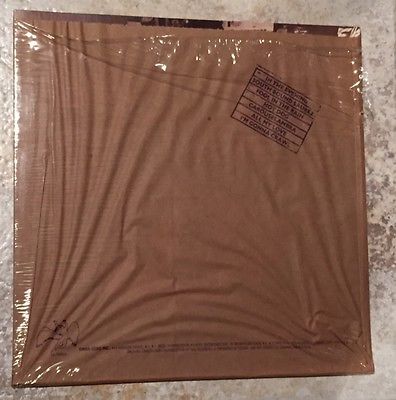
THIS IS AN ORIGINAL LED ZEPPELIN "IN THROUGH THE OUT DOOR" ALBUM FROM 1979!!!!!
THIS IS A RECORD COMPANY PROMOTIONAL RECORD ON SWAN SONG RECORDS!!!!!!
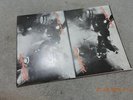
IT IS IN MINT CONDITION WITH LOOSE SHRINK AND EDGE SLIT TO PROVE IT WAS A PROMOTIONAL ALBUM BY THE RECORD COMPANY SWAN SONG,THE ORIGINAL INNER SLEEVE HAS NEVER BEEN PULLED OUT,BUT THE 2ND SLEEVE WITH THE ACTUAL RECORD HAS BEEN PICTURED FOR YOU TO SEE BOTH SIDES.PLUS THE RECORD WAS NEVER PLAYED!!!!!!!!!
CHECK OUT MY PICTURES!!!!!!!
HERE IS SOME INFORMATION ON HOW THIS ALBUM & COVER CAME TO BE IN 1979!!!!!!!!
In Through the Out Door is the eighth studio album by the English rock band Led Zeppelin, and their final album of entirely new material. It was recorded over a three-week period in November and December 1978 at ABBA'sPolar Studios in Stockholm, Sweden, and released by Swan Song Records on 15 August 1979. In Through the Out Door was the band's eighth and final studio release to reach the top of the charts in America, and was the last released by the band before the death of drummer John Bonham in 1980.
The album is a reflection of the personal turmoil that the band members had been going through before and during its recording. For example, frontman Robert Plant and his wife had gone through a serious car accident, and their young son, Karac Plant, died from a stomach illness. All four band members also felt weary of dealing with record companies and other associates. Despite this, the release wound up being a huge commercial success, particularly in the United States (sitting at the #1 slot on Billboard's chart in just its second week on the chart).The album was named by the group to describe its recent struggles amidst the death of Robert Plant's son Karac in 1977, and the taxation exile the band took from the UK. The exile resulted in the band being unable to tour on British soil for over two years, and trying to get back into the public mind was therefore like "trying to get in through the 'out' door."[1]
In contrast to previous Led Zeppelin albums, In Through the Out Door features much greater influence on the part of bassist and keyboardist John Paul Jonesand vocalist Robert Plant, and relatively less from drummer John Bonham and guitarist Jimmy Page. Two songs from the album—"South Bound Saurez" and "All My Love"—were the only two original Led Zeppelin songs that Jimmy Page had no part in writing. With the exception of "Darlene," a boogie-woogie based song credited to all band members (which was eventually released on the 1982 album, Coda), Bonham did not receive writing credits for any of the songs recorded at Polar Studios. This diminished input by Page and Bonham is attributed to the two band members often not showing up on time at the recording studio, with Bonham struggling with alcoholism and Page battling heroin addiction.[2] As Jones said, "there were two distinct camps by then, and we [Plant and I] were in the relatively clean one."[3]
Many of the songs were consequently put together by Plant and Jones during the day, with Page and Bonham adding their parts late at night.[4] According to Jones, this was
…mainly because I had a new toy. I had this big new keyboard. And Robert and I just got to rehearsals early, basically. [...] With Zeppelin writing, if you came up with good things, and everybody agreed that they were good things, they got used. There was no formula for writing. So Robert and I, by the time everybody turned up for rehearsals, we’d written three or four songs. So we started rehearsing those immediately, because they were something to be getting on with.[5]
Following the recording sessions at Polar Studios, the album was mixed at Page's personal studio at his home in Plumpton.[1] "Wearing and Tearing", "Ozone Baby" and "Darlene" were recorded during sessions for this album, but were dropped because of space constraints. All later appeared on Coda.The original album featured an unusual gimmick: the album had an outer sleeve which was made to look like a plain brown paper bag (reminiscent of similarly packaged bootleg album sleeves with the title rubber-stamped on it), and the inner sleeve featured black and white line artwork which, if washed with water, would become permanently fully coloured. There were also six different sleeves featuring a different pair of photos (one on each side), and the external brown paper sleeve meant that it was impossible for record buyers to tell which sleeve they were getting (there is actually a code on the spine of the album jacket which indicated which sleeve it was—this could sometimes be seen while the record was still sealed). The pictures all depicted the same scene in a bar (in which a man burns a Dear John letter), and each photo was taken from the separate point of view of someone who appeared in the other photos. The walls are covered with thousands of yellowed business cards and dollar bills. The photo session in a London studio was meant to look like a re-creation of the Old Absinthe House, in New Orleans, Louisiana.[6][7][8][9][10]
The album artwork was designed by Hipgnosis. Storm Thorgerson recalls the design in his book Eye of the Storm:
The sepia quality was meant to evoke a non-specific past and to allow the brushstroke across the middle to be better rendered in colour and so make a contrast. This self same brushstroke was like the swish of a wiper across a wet windscreen, like a lick of fresh paint across a faded surface, a new look to an old scene, which was what Led Zeppelin told us about their album. A lick of fresh paint, as per Led Zeppelin, and the music on this album... It somehow grew in proportion and became six viewpoints of the same man in the bar, seen by the six other characters. Six different versions of the same image and six different covers.[11]
And:
Did you ever notice you could affect the dust jacket by putting water on it? If you applied spittle to it or a bit of water, it would change colour, like a children's colouring book we based it on. But we didn't tell anybody. I don't think Zeppelin told anybody, either.[12]
In 1980, Hipgnosis were nominated for a Grammy Award in the category of best album package for In Through the Out Door.[13]
price rating