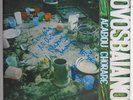
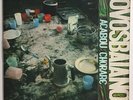
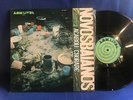
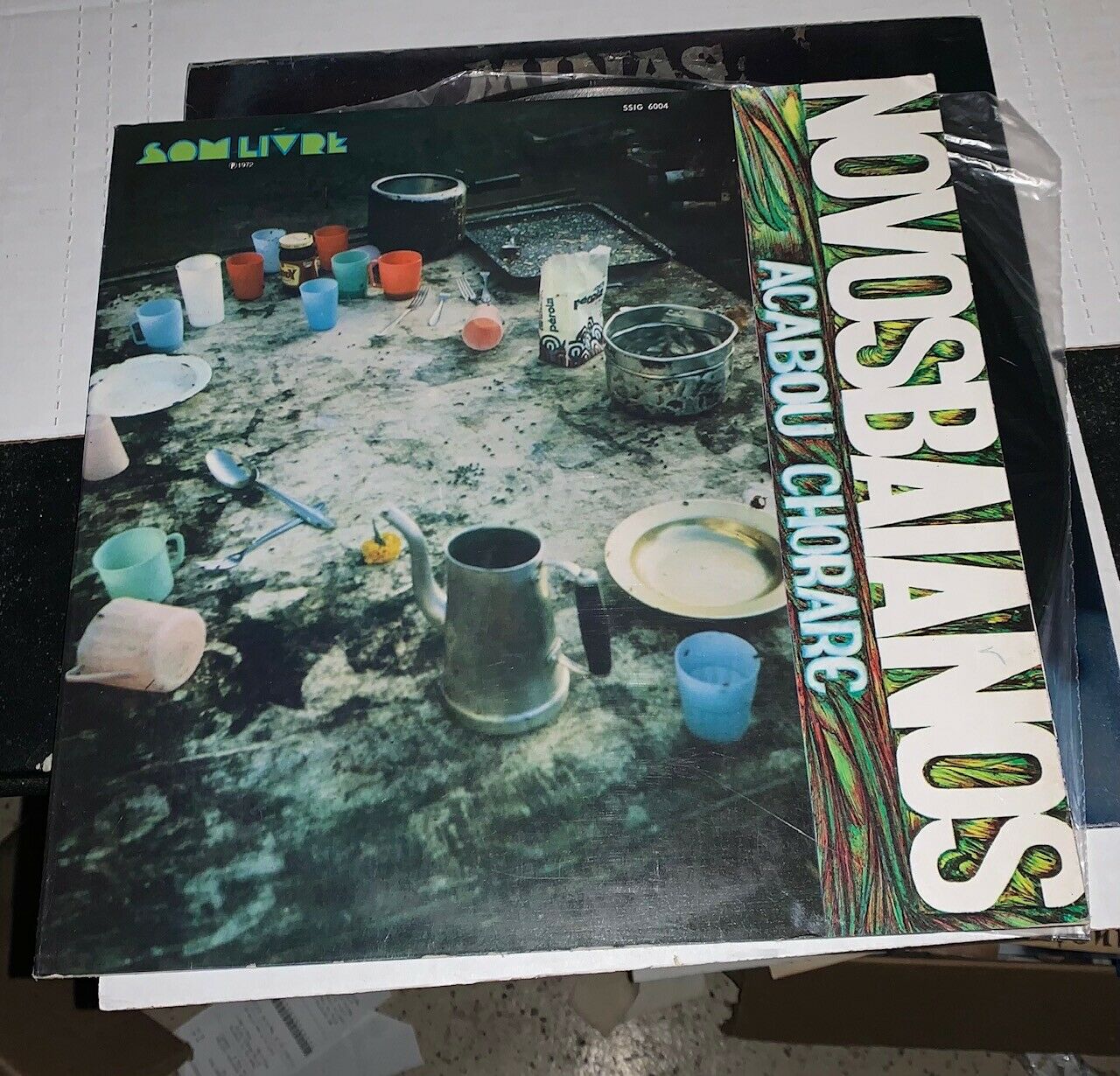
Os Novos Baianos Acabou Chorare Som Livre SSIG-6004 1972 1st Press EX/EX Psych
$
250


Favourite Auctions
To save auctions to your favourites, please login
If you don't have an account, please register
Description
Os Novos Baianos Acabou Chorare Label: Som Livre – SSIG-6004 Format: Vinyl, LP, Album, Gatefold Country: Brazil Released: 1972 Genre: Latin Style: Samba, MPB Tracklist
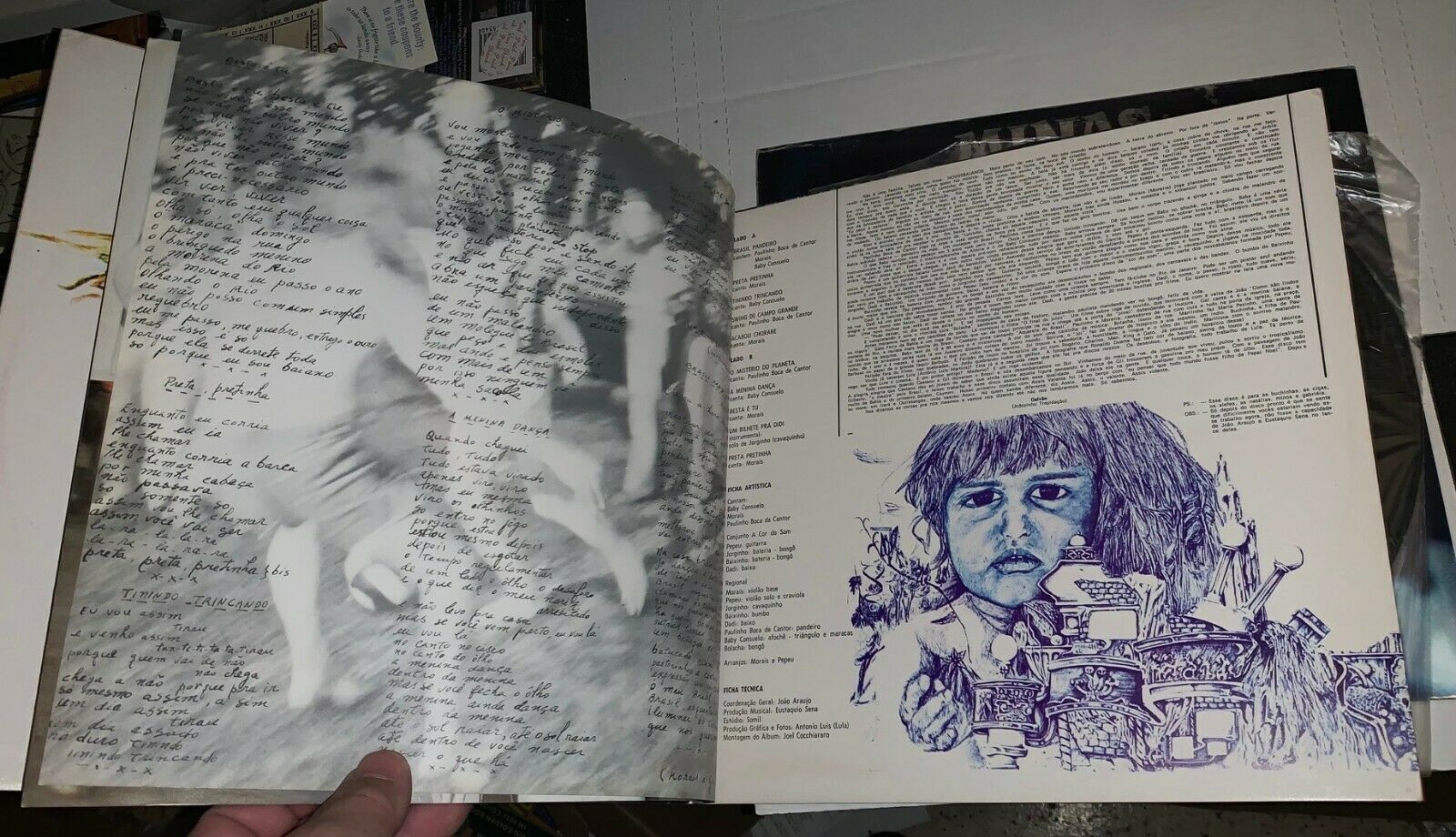
A1 Brasil Pandeiro Lead Vocals – Baby Consuelo, Paulinho Boca De Cantor Written-By – Assis Valente A2 Preta Pretinha Lead Vocals – Morais* Written-By – Galvão*, Morais* A3 Tinindo Trincando Lead Vocals – Baby Consuelo Written-By – Galvão*, Morais* A4 Swing De Campo Grande Lead Vocals – Paulinho Boca De Cantor Written-By – Galvão*, Morais*, Paulinho* A5 Acabou Chorare Lead Vocals – Morais* Written-By – Galvão*, Morais* B1 Mistério Do Planeta Lead Vocals – Paulinho Boca De Cantor Written-By – Galvão*, Morais* B2 A Menina Dança Lead Vocals – Baby Consuelo Written-By – Galvão*, Morais* B3 Besta É Tu Lead Vocals – Morais* Written-By – Galvão*, Morais*, Pepeu* B4 Um Bilhete P'ra Didi Backing Band – A Cór Do Som* Written-By – Galvão*, Morais* B5 Preta Pretinha Lead Vocals – Morais* Written-By – Galvão*, Morais* Companies, etc. Recorded At – Studio Somil Record Company – Indústrias Elétricas E Musicais Fábrica Odeon S.A. Credits Arranged By – Morais* Bass – Dadi* Bongos – Bolacha* Classical Guitar – Morais* Classical Guitar [Solo] – Pepeu* Drums, Bongos, Cavaquinho – Jorginho* Drums, Bongos, Percussion [Bumbo] – Baixinho Guitar, Arranged By – Pepeu* Maracas, Triangle – Baby Consuelo Pandeiro – Paulinho Boca De Cantor Producer – Eustaquio Sena* Vocals – Baby Consuelo, Morais*, Paulinho Boca De Cantor Notes Recorded at Studio Somil, Rio de Janeiro, Brazil.
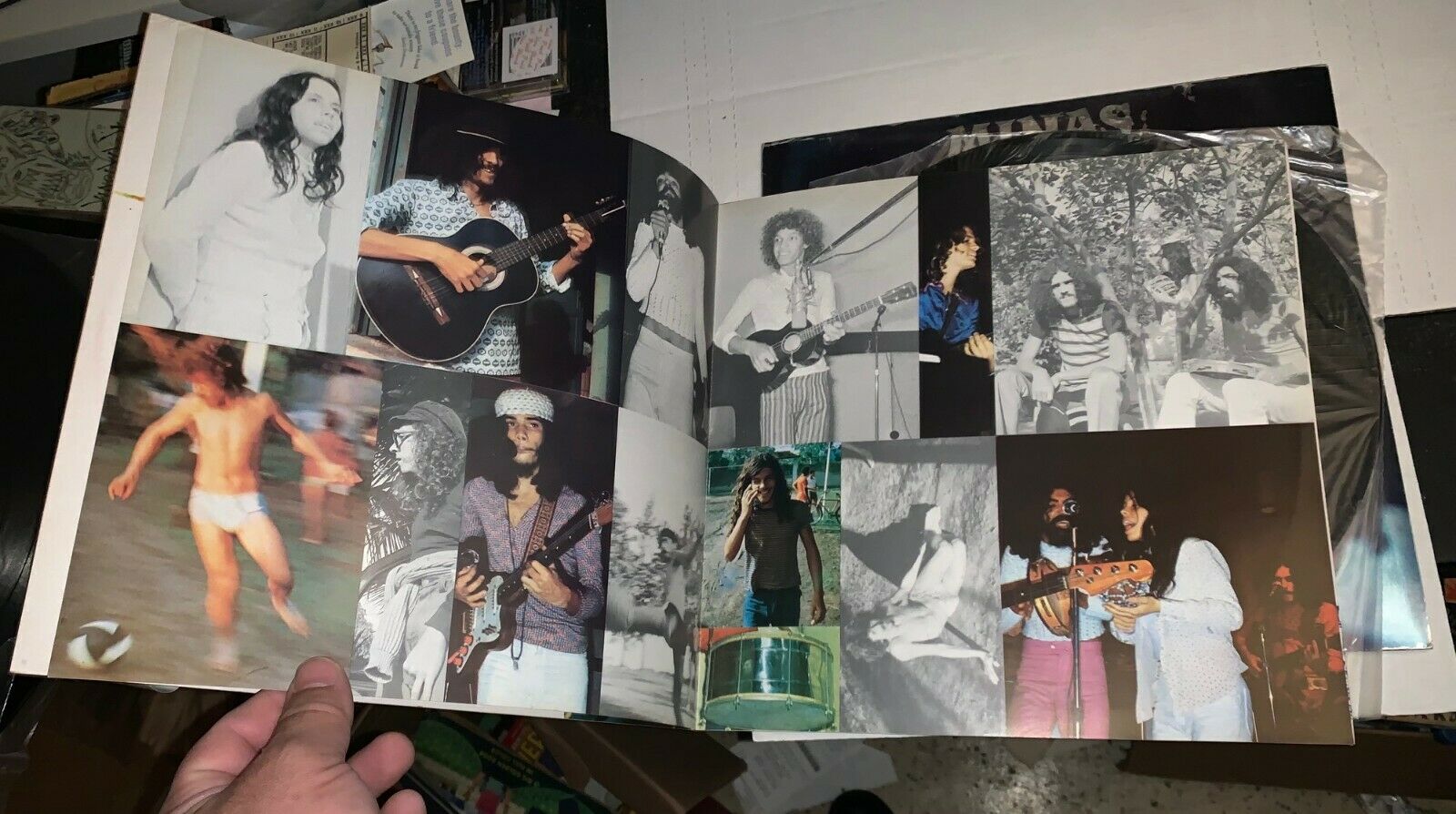
Original copies have a four-page colour photo and lyric sheet insert stapled inside the gatefold sleeve.
Acabou Chorare (No More Crying in English) is the second studio album by the Brazilian musical group Novos Baianos. The album was released in 1972 by Som Livre, following the group's somewhat successful debut É Ferro na Boneca (1970). The group adopted the expressive guitar of Jimi Hendrix and was heavily influenced by João Gilberto, who served as the group's mentor during the album's recording.
Its opening track, "Brasil Pandeiro", was suggested by Gilberto and is one of two sambas (along with "Recenseamento"), which Valente composed for the arrival of Carmen Miranda to the United States. The album title and its title track were inspired by Gilberto's Bossa nova style, and by a story he told the group about his daughter. The song lays out the main idea of the album: to criticize the sadness and melancholy that were on display in contemporary Brazilian music, and to replace them with joyfulness and pleasure. Some of the album's most successful songs include "Preta Pretinha", "Besta É Tu" and "Tinindo Trincando".
40 years after its release, the album continues to be one of the most popular and influential of Brazilian music in general. Later generations of Brazilian singers, like Vanessa da Mata, Marisa Monte, CéU, Roberta Sá and Mariana Aydar, cite the album as one of their strongest inspirations. In 2007, in "The 100 Greatest Albums of Brazilian Music" by Rolling Stone, Acabou Chorare came in first, being considered a masterpiece by the specialists, producers and journalists who were asked for their opinions.[1] On September 2012, it was elected by the audience of Radio Eldorado FM, of Estadao.com e of Caderno C2+Música (both the latter belong to newspaper O Estado de S. Paulo) as the eight best Brazilian album ever, tied with Secos & Molhados, by the band of same name.
Review scores Source Rating Allmusic 4.5/5 stars link Acabou Chorare includes some of Novos Baianos' most popular hits. The title track, for example, was broadcast on Brazilian radio for 30 consecutive weeks. "Preta, Pretinha" is the most requested song by Novos Baianos fans[3] and it was voted by the Brazilian edition of Rolling Stone as the 20th greatest Brazilian song.[4] "Brasil Pandeiro" and "Mistério do Planeta" are also popular.
Legacy The album has influenced many Brazilian musicians and bands. The absence of a hierarchy within the group inspired many bands, such as Orquestra Imperial and Tribalistas, to take a similar approach. The focus on samba rhythm was the basis for the music of Vanessa da Mata and Roberta Sá. João Gilberto, who was a major influence in the making of the album, was himself influenced by it and its creators.[3]
Track listing # Title Songwriters Length 1. "Brasil Pandeiro" Assis Valente 3:55 2. "Preta, Pretinha" Moraes Moreira, Luiz Galvão 6:37 3. "Tinindo, Trincando" Moraes Moreira, Luiz Galvão 3:24 4. "Swing de Campo Grande" Paulinho Boca de Cantor, Moraes Moreira, Luiz Galvão 3:09 5. "Acabou Chorare" Luiz Galvão, Moraes Moreira 4:13 6. "Mistério do Planeta" Moraes Moreira, Luiz Galvão 3:37 7. "A Menina Dança" Moraes Moreira, Luiz Galvão 3:52 8. "Besta É Tu" Moraes Moreira, Pepeu Gomes, Luiz Galvão 4:24 9. "Um Bilhete para Didi" Jorginho Gomes 2:52 10. "Preta, Pretinha" Moraes Moreira, Luiz Galvão 3:24
The song "Um Bilhete para Didi" is performed by the backup band A Cor do Som.
Personnel Moraes Moreira: vocals (in "Brasil Pandeiro", "Preta, Pretinha", "Acabou Chorare" and "Besta É Tu") and acoustic guitar Baby Consuelo: vocals (in "Brasil Pandeiro", "Tinindo, Trincando" and "A Menina Dança"), cabasa, triangle and maracas Paulinho Boca de Cantor: vocals (in "Brasil Pandeiro", "Swing de Campo Grande" and "Mistério do Planeta") and tambourine Pepeu Gomes: electric guitar, acoustic guitar and craviola Jorginho: cavaquinho Baixinho: bass drum Dadi: bass Bolacha: bongos
price rating