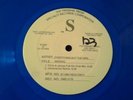
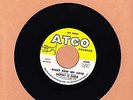
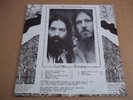
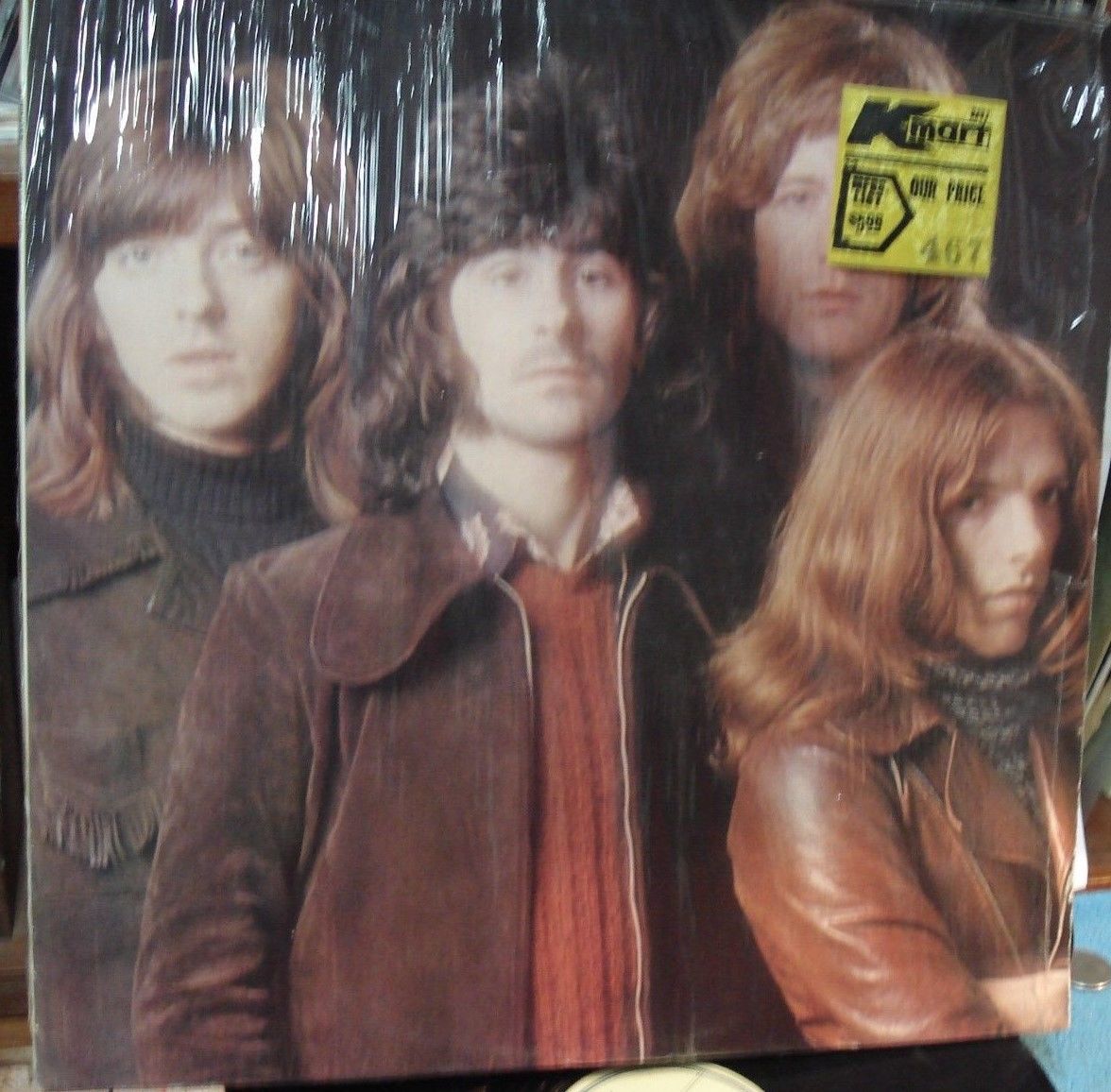
PLAYS WELL VG+ ORIG SHRINK BADFINGER STRAIGHT UP ORIGINAL 1971 LP APPLE SW 3387
$
18


Favourite Auctions
To save auctions to your favourites, please login
If you don't have an account, please register
Description
You are Bidding On PLAYS WELL VG+ or Better ORIGINAL SHRINK BADFINGER STRAIGHT UP ORIGINAL 1971 LP APPLE SW 3387
Badfinger
was a British rock band that, in their most successful lineup, consisted of Pete Ham, Mike Gibbins, Tom Evans, and Joey Molland. The band evolved from an earlier group called The Iveys that was formed in 1961 by Ham, Ron Griffiths and David "Dai" Jenkins in Swansea, Wales. The Iveys were the first group signed by the Beatles' Apple label in 1968. Over the next five years the band recorded five albums for Apple and toured extensively, before they became embroiled in the chaos of Apple Records' dissolution. In 1969, Griffiths left and was replaced by Molland, and the band renamed themselves Badfinger. In 1970, the band engaged American businessman Stan Polley to manage their commercial affairs.
Badfinger had four consecutive worldwide hits from 1970 to 1972: "Come and Get It" (written and produced by Paul McCartney), "No Matter What", "Day After Day" (produced by George Harrison) and "Baby Blue". In 2013, "Baby Blue" made a resurgence onto the Billboard Hot Rock Songs chart at number 14 after it was featured in the series finale of the television show Breaking Bad.[1] Their song "Without You" has been covered many times, including a Billboard number one hit for Harry Nilsson.
After Apple Records folded, Badfinger signed to Warner Bros. Records, but Polley's financial machinations resulted in internal friction that soon caused Ham to quit Badfinger, to be replaced by Bob Jackson on keyboard and guitar, then led to Ham rejoining and Molland leaving the band instead. However, a lawsuit filed by Warner's music publishing arm against Polley over missing escrow account money led Warner to withdraw Badfinger's 1974 Wish You Were Here from the market seven weeks after its release, which effectively cut off the band's income. Warner's then refused to accept (or pay the band for) Badfinger's next album, Head First, because of the dispute with Polley, leaving the band destitute. Three days before his 28th birthday, on 24 April 1975, Ham committed suicide by hanging himself, leaving a note that included damning comments about Polley.
Over the next three years, the surviving members struggled to rebuild their personal and professional lives against a backdrop of lawsuits, which tied up the songwriters' royalty payments for years. The Badfinger albums Airwaves (1979) and Say No More (1981) (both of which excluded both Gibbins and Jackson) foundered, as Molland and Evans see-sawed between cooperation and conflict in their attempts to revive and capitalise on the Badfinger legacy. Having seen Ham's body after Ham's wife had called him, Evans reportedly never got over his friend's suicide, and was quoted as saying in darker moments, "I wanna be where he is."[2] On 19 November 1983, Evans also took his own life by hanging.
Straight Up
is the third album by British rock band Badfinger, released in December 1971 in the United States and February 1972 in Britain. Issued on the Beatles' Apple record label, it includes the hit singles "Day After Day" and "Baby Blue", and the similarly popular "Name of the Game", all of which were written by singer and guitarist Pete Ham. The album marked a departure from the more rock-oriented sound of Badfinger's previous releases, partly as a result of intervention by Apple Records regarding the band's musical direction. Although Straight Up received a mixed response from critics on release, many reviewers now regard it as the band's best album. Rolling Stone critic David Fricke has referred to it as "Badfinger's power-pop apex".[1]
Production on what became Straight Up lasted nine months, at the start of which the group made an album's worth of recordings with producer Geoff Emerick, in between their touring commitments. Once Apple had decided to shelve these recordings, George Harrison took over production, only for him to become indisposed with events associated with the Concert for Bangladesh, at which Badfinger also performed. Harrison then handed the project to American producer Todd Rundgren, who oversaw recording for most of the album.
Happy bidding and good luck!
Check out my other items!
Attention international bidders.....contact us for shipping costs
before placing your bid.
OUR MISSION
BRING TO AUCTION UNIQUE ESTATE FINDS with LOW STARTING BIDS and ABSOLUTELY NO RESERVES!
CONTINUE PROVIDING GREAT CUSTOMER SERVICE ON WHICH WE HAVE BUILT OUR UNPARALLELED REPUTATION LOADED WITH OUR SATISFIED CUSTOMERS POSITIVE FEEDBACK.
AS IN THE PREVIOUS YEARS WE LOOK FORWARD TO SERVING YOU.
..... NO RESERVE AUCTIONS .....
..... COMBINE SHIPPING TO SAVE YOU MONEY .....
..... LOW STARTING BID .....
price rating