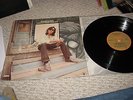
RODRIGUEZ "Coming From Reality" ORIGINAL SUSSEX LP Psych Soul MINT
£
155
$
205


Favourite Auctions
To save auctions to your favourites, please login
If you don't have an account, please register
Description
RODRIGUEZ "Coming From Reality" ORIGINAL SUSSEX LP Psych Soul MINT!!!! -
RODRIGUEZ "Coming From Reality" LP ORIGINAL 1971 PRESSING ON THE SUSSEX LABEL (SXBS-7012).
VINYL ALBUM GRADING/CONDITION
Guidelines for assessing the grading / condition of used records (based on Goldmine Grading for Records)
MINT (M): Perfect! This record looks like it has just left the manufacturer, with NO flaws what so ever. It looks as though it had never been handled. No scuffs or scratches, blotches or stains. No stickers address labels, writing on the covers or labels. No tears or seam splits. No wear to the cover or record period! Age of the record has nothing to do with it.
NEAR MINT or NM, M- : this record appears virtually flawless A very minor scuff and very little else can appear on the vinyl. It should play without any noise over the flaw. The flaw is very hard to see. The cover looks as close to perfect with only minor signs of wear and or age. Minor impressions to the cover (due to the outer edge of the vinyl resting inside) may be acceptable, however the artwork is be as close to perfect as can be.
EXCELLENT or EX or VG++ : minor scuffs which are only slightly visible. There may be more than a few scuffs and NO Scratches COVER: Artwork is still as close to perfect as can be. Some impression to the cover (minor outer ring wear) but no ink wear! Some slight creases to the corners, but not wrinkled and obtrusive to the eye. The corners can show white (where the artwork pasted slick was) meaning, slight wear. No seam splits or writing on the cover or taped repairs can make this grade.
VERY GOOD PLUS or VG+ record shows wear, surface scuffs. The vinyl still has a great luster, but the flaws will be noticeable to the naked eye. If the flaws don't cause any surface noise, the vinyl can still make the VG+ grade. COVERS: A virtually clean cover, but may have small writing on it.The artwork looks clean with slightly more aging. The back of the cover usually gives away the age of the cover. Flat white paper will be somewhat yellow yet no stains or mildew from water damage. Some minor wear to the seams or spine, but no tears or holes popping through. The corners will be slightly dog eared yet no crackly bends, defacing the artwork. In essence, a VG+ cover should have no more than 3 flaws mentioned.
VERY GOOD or VG: this record is a record that is good enough. They are not really going to look very good, but it will STILL play very good. there will almost always be some surface noise when they are played. The Dynamics should still be excellent, overpowering the surface noise. A VG record will appear well have been played but still have some luster. VG covers will look worn, used. There may be some seam splitting . There will be some ring wear, where the ink has begun to wear off. Giving the cover a look of snow falling. If the artwork looks snowy all over, it is less than VG condition. There may be some writing on the cover (still, no Large letters in magic marker). It will look aged and more yellowish due to contamination's in the air (sometimes looking like cigarette smoke). Still it should be decent.
GOOD or G A good record will look very well played, dull, grayish and possibly abused. However a Good record should still play. It will have distractingsurface noise. Such as crackle that is continuous or some hiss. Will also have some loss of dynamics caused from grooves being worn. It should play without any skips or any obtrusively loud pops or repeated clicks, caused by deep scratches. Good means that it will play with some form of decency, so one can still enjoy the music even though you can still hear noise caused from the wear. A Good cover will have just about everything wrong with it. It will have seam splits (possibly taped repaired, but only with scotch tape. No duct tape or masking tape repairs. These are big turn offs. May have magic marker writing on the cover but still if they are in huge letters, it is a big turn off.In essence, the cover will looked virtually trashed, but some artwork will still be noticed. If the artwork is worn, it is POOR and the cover is worthless.
Coming from Reality
From Wikipedia, the free encyclopedia Jump to: navigation, search Coming from Reality Studio album by Rodriguez Released November 1971 Recorded Lansdowne Studios, London - mid-to-late 1970 Genre Rock Length40:30
51:07 (2009 Re-release) Label SussexLight in the Attic (U.S., 2009)
Blue Goose/RCA (Australia)
A&M Records (South Africa) Producer Steve Rowland Rodriguez chronology Cold Fact
(1970) Coming from Reality
(1971) At His Best
(1977)
Coming from Reality is the second and final studio album to date from American singer/songwriter, Rodriguez, originally released by Sussex Records in 1971. It was later released in South Africa in 1976 with the alternate title After the Fact.
The album was also reissued on compact disc (CD) by Light in the Attic Records in May 2009. This reissue includes three bonus tracks originally released only in Australia, though they were recorded in Detroit in 1972 with Cold Fact collaborators Mike Theodore and Dennis Coffey, representing the last recordings they ever did together.[3]
Contents
- 1 Track listing
- 2 Personnel
- 2.1 Technical
- 3 Credits
- 4 Releases
- 5 References
Track listing
- "Climb Up on My Music" – 4:54
- "A Most Disgusting Song" – 4:49
- "I Think of You" – 3:25
- "Heikki's Suburbia Bus Tour" – 3:22
- "Silver Words?" – 2:04
- "Sandrevan Lullaby – Lifestyles" – 6:37
- "To Whom It May Concern" – 3:21
- "It Started Out So Nice" – 4:01
- "Halfway Up the Stairs" – 2:27
- "Cause" – 5:30
- "Can't Get Away" – 3:57 (2009 bonus track)
- "Street Boy" – 3:47 (2009 bonus track)
- "I'll Slip Away" – 2:53 (2009 bonus track)
Personnel
- Rodriguez – vocals, guitar
- Chris Spedding – guitars
- Tony Carr – bongos
- Phil Dennys – keyboards
- Jimmy Horowitz – violin on "Sandrevan Lullaby"
- Gary Taylor – bass
- Andrew Steele – drums
Technical
- Steve Rowland – producer
- John Mackswith – engineer
- Recorded at Lansdowne recording studios, London, England late 1970, released in late 1971.
- Arranged by Phil Dennys (tracks 3, 5, 7 and 9)
- Arranged by Jimmy Horowitz (tracks 6, 8 and 10)
Credits
- Clarence Avant – archival materials, photo courtesy
- Milan Bogden – audio engineer
- Tim Burzese – audio engineer
- Tony Carr – percussion
- Dennis Coffey – archival materials, arranger, audio production, photo courtesy, producer
- Vincent Cook – graphic design
- Dave Cooley – remastering
- Phil Dennys – arranger, keyboards
- Chris Ferraro – executive producer
- Tim Forster – archival materials, photo courtesy
- Jimmy Horowitz – arranger, violin
- John MacSwith – audio engineer, engineer
- Los Rodriguez – acoustic guitar, primary artist, vocals
- Rodriguez – primary artist
- Sixto Rodriguez – composer
- Steve Rowland – audio production, producer
- John Samson – archival materials, photo courtesy
- Milton Sincoff – merchandising, package direction
- Chris Spedding – guitar
- Andrew Steele – drums
- Matt Sullivan – reissue producer
- Gary Taylor – bass, bass instrument
- Mike Theodore – archival materials, arranger, audio production, photo courtesy, producer
- Hal Wilson – illustrations, original photography
- Josh Wright – executive producer
Releases
- Coming from Reality LP (Sussex, 1971)
- Coming from Reality CD (Light in the Attic Records, 2009)
- Coming from Reality LP with bonus tracks (Light in the Attic Records, 2009)
- Coming from Reality LP with bonus tracks (Light in the Attic Records, 2009)
References
- ^ Allmusic review
- ^ http://www.pitchfork.com/reviews/albums/12994-coming-from-reality/]
- ^ Stevenson, Mark (2009-03-12). "Rodriguez 'Coming From Reality' gets new lease of life". altsounds.com. Retrieved 2009-03-17.