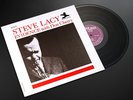
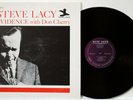
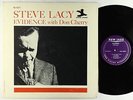
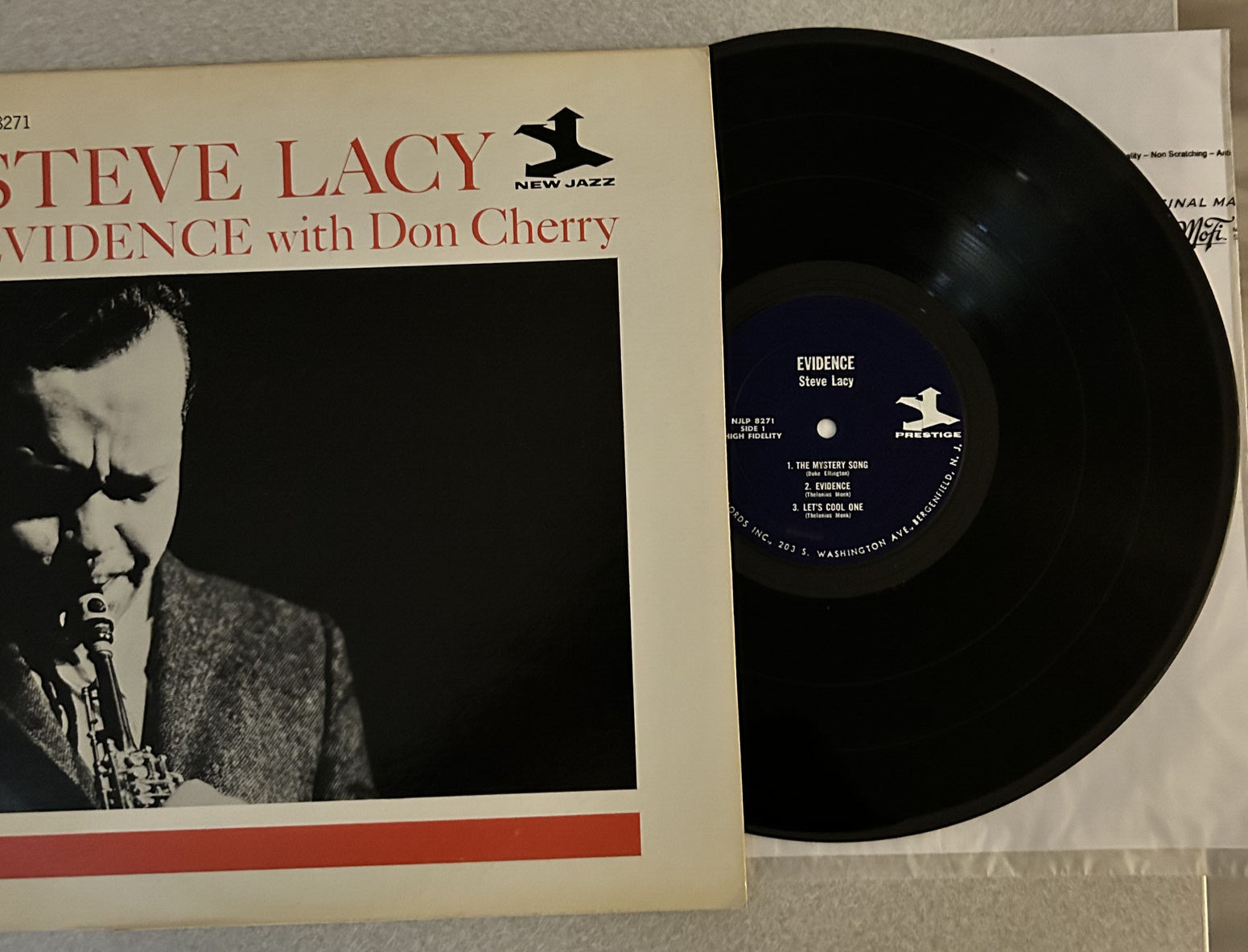
Steve Lacy Don Cherry Evidence LP 1965 Org M Blue Prestige NJLP 8271 RVG Rare
$
400
Favourite Auctions
To save auctions to your favourites, please login
If you don't have an account, please register
Description
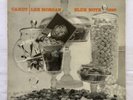
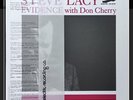
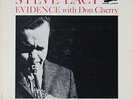
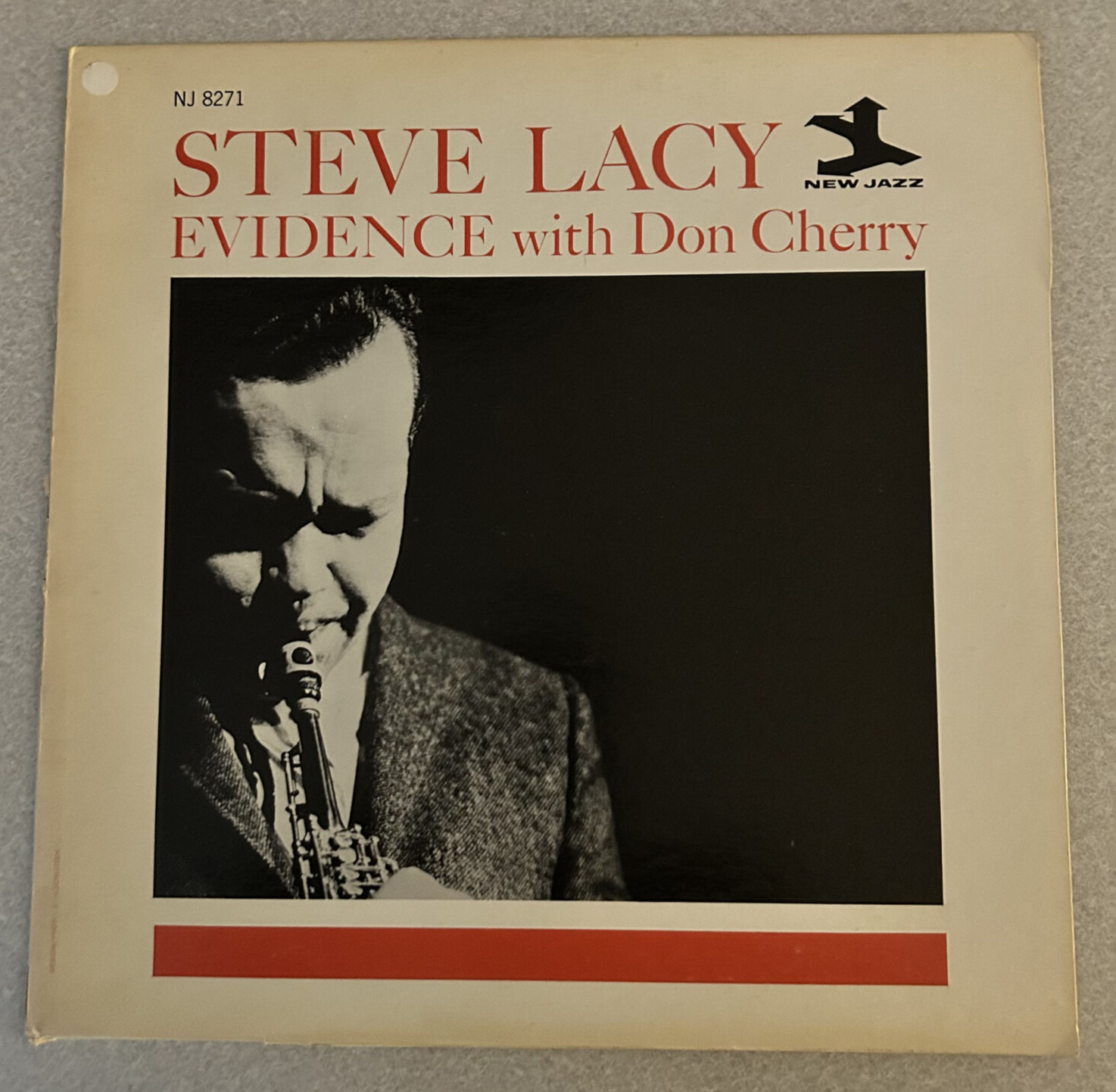
Steve Lacy With Don Cherry Evidence LP 1965 Original Mono Prestige NJLP 8271 RVG Rare
These two Masters are perfectly match and improvise around each other ---Essencial
Unlike the modern reissues this early Mono Rudy Van Gelder recording sounds Fantastic
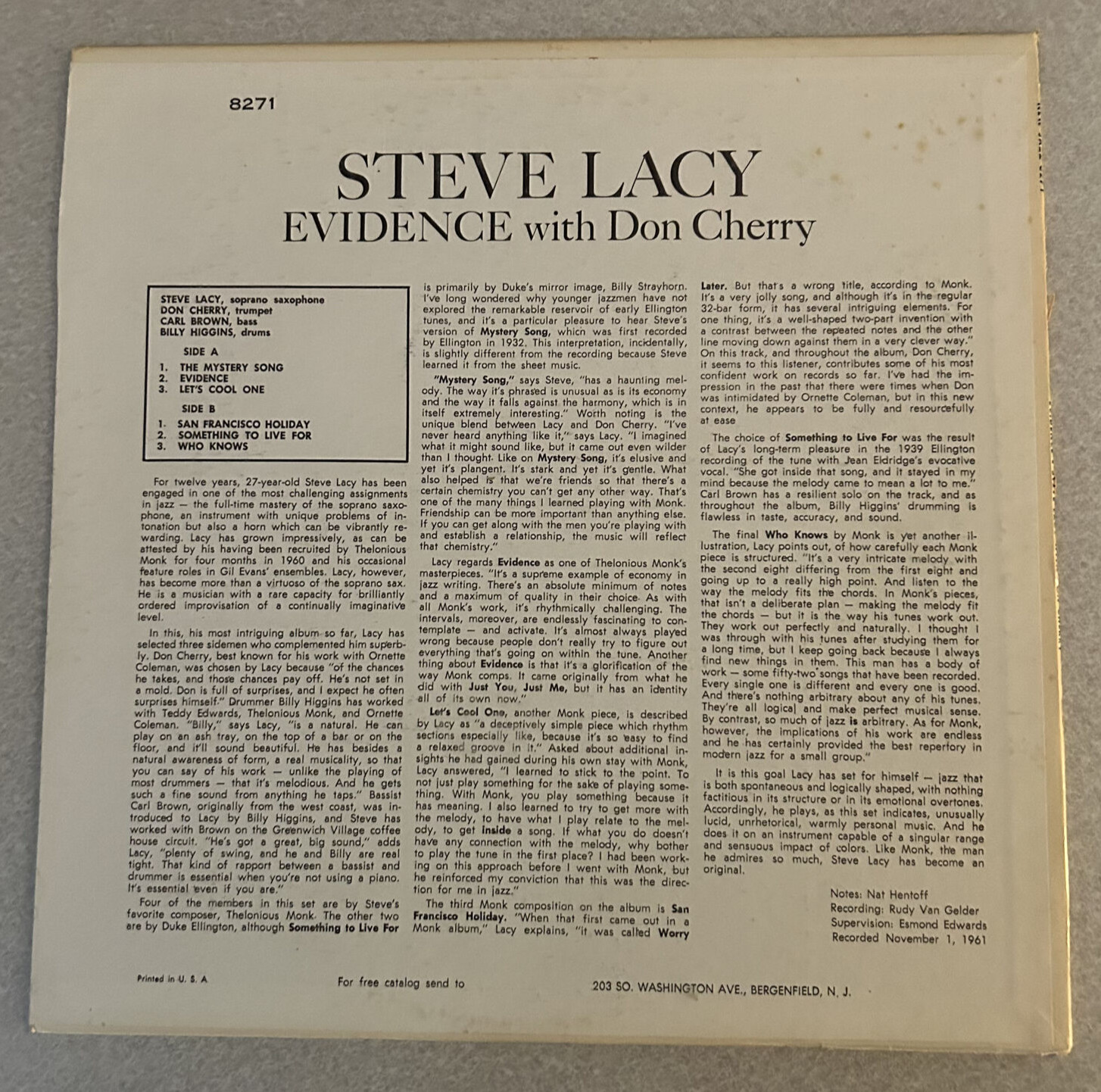
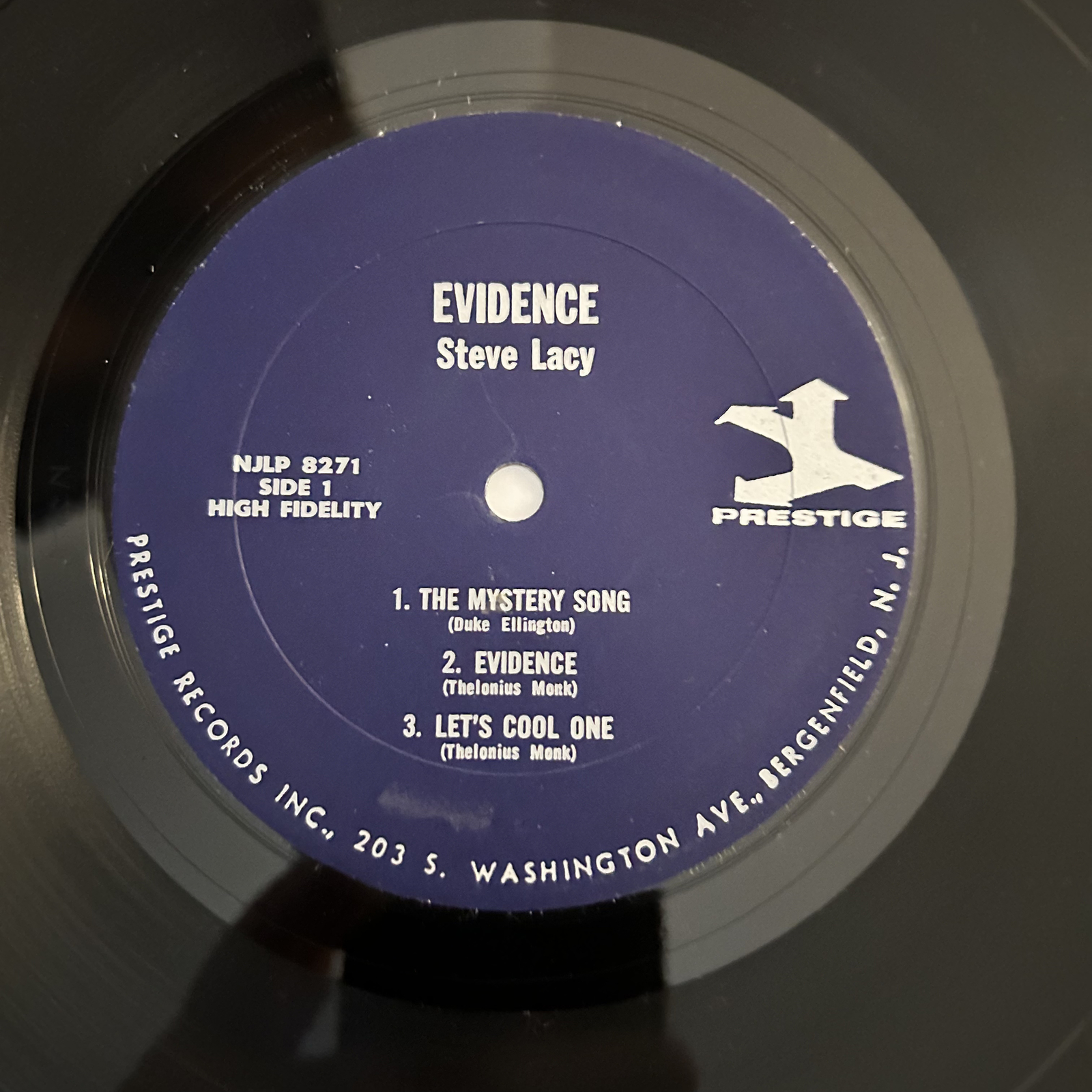
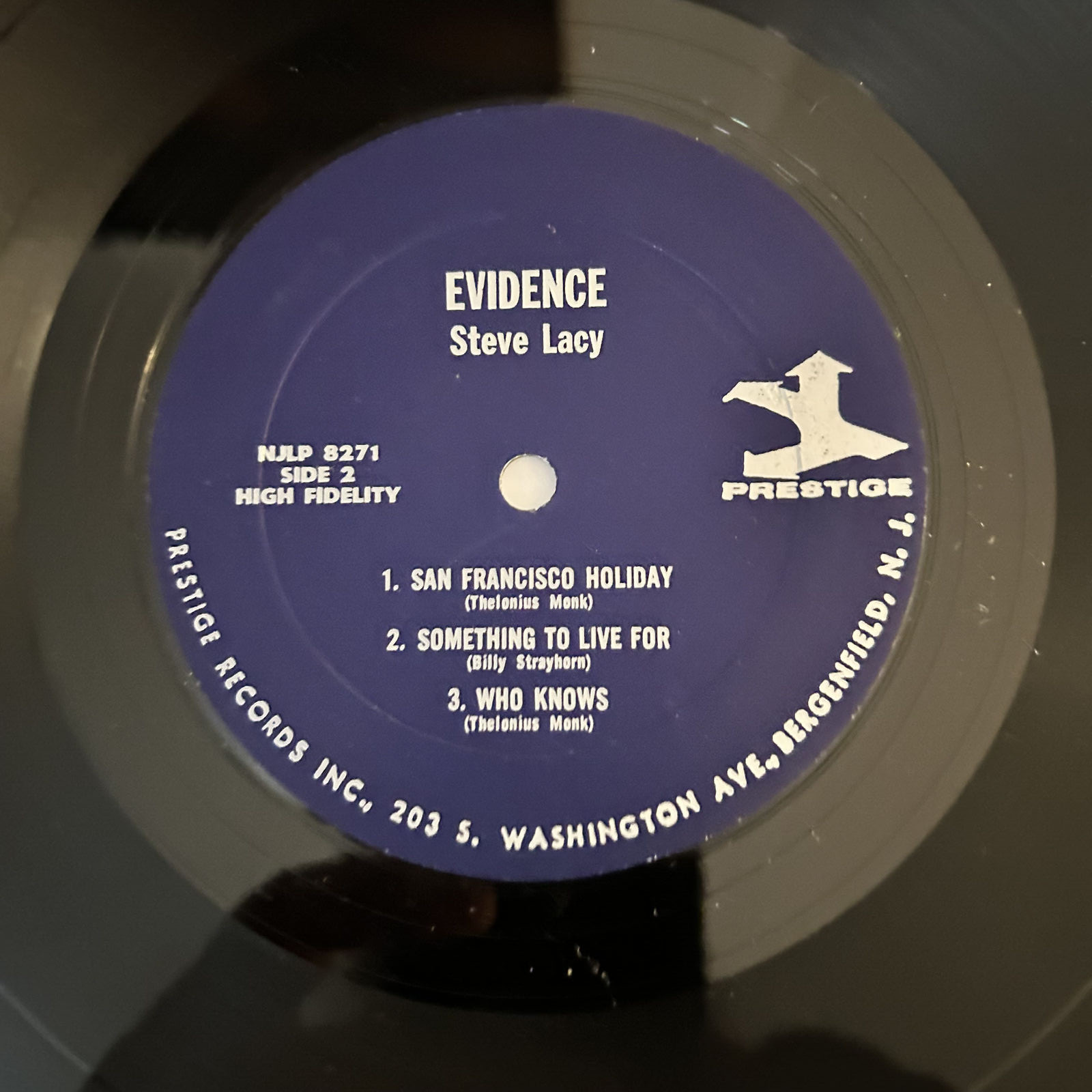
Evidence is the fourth album by Steve Lacy and was released on the New Jazz label in 1962. It features performances of four tunes written by Thelonious Monk and two from Duke Ellington by Lacy, Don Cherry, Carl Brown and Billy Higgins.
The Allmusic review by Al Campbell awarded the album 4 stars, stating: "Soprano saxophonist Steve Lacy continued his early exploration of Thelonious Monk's compositions on this 1962 Prestige date, Evidence. Lacy worked extensively with Monk, absorbing the pianist's intricate music and adding his individualist soprano saxophone mark to it. On this date, he employs the equally impressive Don Cherry on trumpet, who was playing with the Ornette Coleman quartet at the time, drummer Billy Higgins, who played with both Coleman and Monk, and bassist Carl Brown. Cherry proved capable of playing outside the jagged lines he formulated with Coleman, being just as complimentary and exciting in Monk's arena with Lacy. Out of the six tracks, four are Monk's compositions while the remaining are lesser known Ellington numbers: 'The Mystery Song' and 'Something to Live For' (co-written with Billy Strayhorn)."
Steve Lacy (born Steven Norman Lackritz; July 23, 1934 – June 4, 2004) was an American jazz saxophonist and composer recognized as one of the important players of soprano saxophone. Coming to prominence in the 1950s as a progressive dixieland musician, Lacy went on to a long and prolific career. He worked extensively in experimental jazz and to a lesser extent in free improvisation, but Lacy's music was typically melodic and tightly-structured. Lacy also became a highly distinctive composer, with compositions often built out of little more than a single questioning phrase, repeated several times.
The music of Thelonious Monk became a permanent part of Lacy's repertoire after a stint in the pianist's band, with Monk's works appearing on virtually every Lacy album and concert program; Lacy often partnered with trombonist Roswell Rudd in exploring Monk's work. Beyond Monk, Lacy performed the work of jazz composers such as Charles Mingus, Duke Ellington and Herbie Nichols; unlike many jazz musicians he rarely played standard popular or show tunes
Donald Eugene Cherry (November 18, 1936 – October 19, 1995) was an American jazz trumpeter, bandleader, and multi-instrumentalist. Beginning in the late 1950s, he had a long tenure performing in the bands of saxophonist Ornette Coleman, including on the pioneering free jazzalbums The Shape of Jazz to Come (1959) and Free Jazz: A Collective Improvisation (1961). Cherry also collaborated separately with musicians including John Coltrane, Charlie Haden, Sun Ra, Ed Blackwell, the New York Contemporary Five, and Albert Ayler.
Cherry released his debut album as bandleader, Complete Communion, in 1966. In the 1970s, he became a pioneer in world music, with his work drawing on African, Middle Eastern, and Hindustani music. He was a member of the ECM group Codona, along with percussionist Naná Vasconcelos and sitar and tabla player Collin Walcott. Chris Kelsey of AllMusic called Cherry "one of the most influential jazz musicians of the late 20th century."
price rating