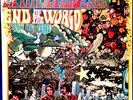
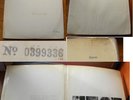
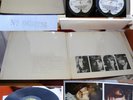
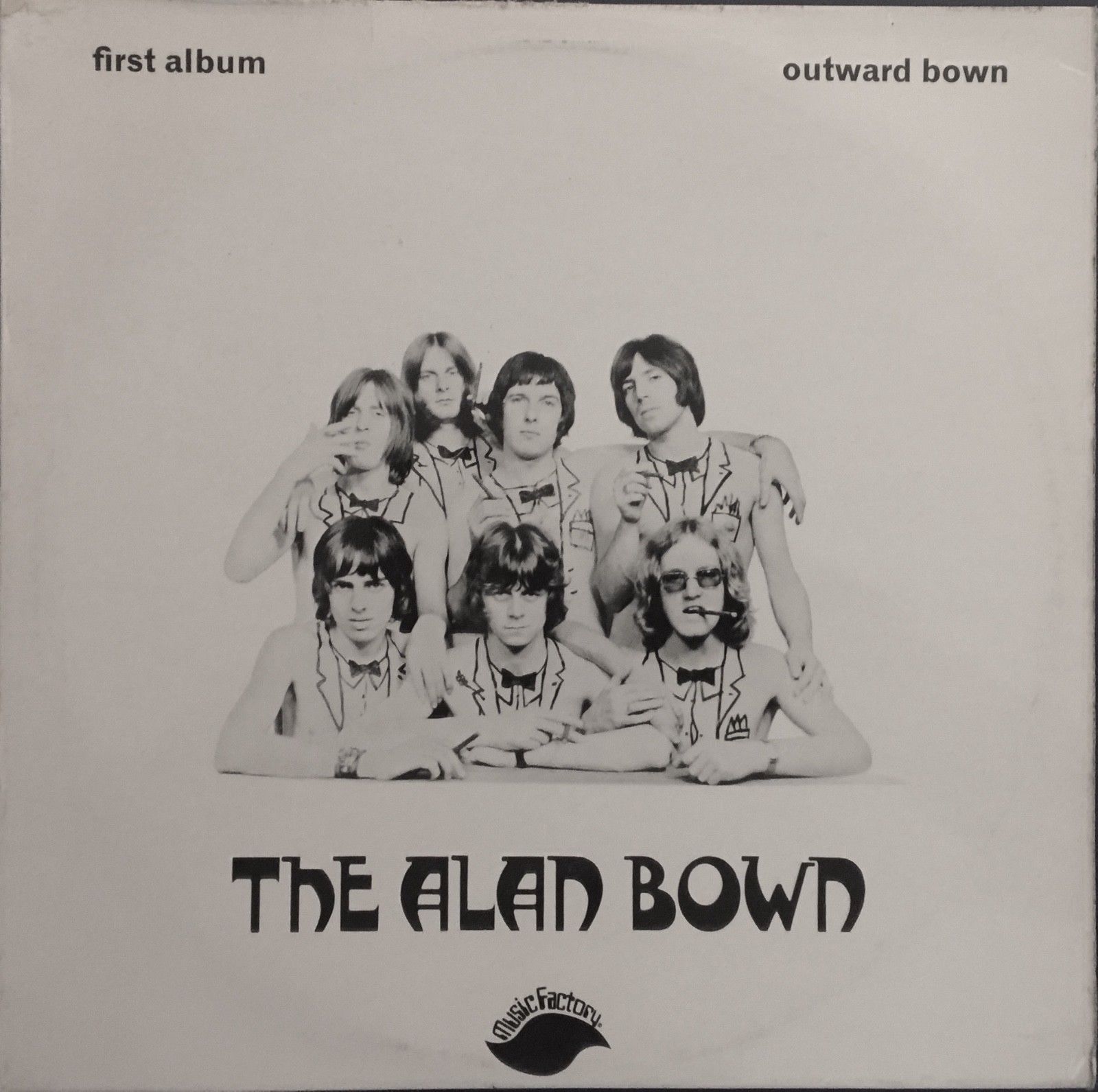
THE ALAN BOWN "OUTWARD BOWN" UK MONO LP CUBLM1 1968 - A RARE BEAUTY
£
41
$
54


Favourite Auctions
To save auctions to your favourites, please login
If you don't have an account, please register
Description
DISCOGS:
The Alan Bown* ?– Outward Bown First Album
Label: Music Factory (7) ?– CUBLM 1, MGM Records ?– CUBLM 1 Format: Vinyl, LP, Album, MonoCountry: UK Released: 1968 Genre: Rock, Pop Style:
Tracklist
A1 Toyland A2 Magic Handkerchief A3 Little Lesley A4 All Along The Watchtower A5 Sally Green A6 Penny For Your Thoughts B1 Story Book B2 Technicolour Dream B3 Love Is A Beautiful Thing B4 Violin Shop B5 You're Not In My CLass B6 My Girl In The Month Of MayCredits
- Arranged By – Phil Dennys, The Alan Bown*
- Producer – Mike Hurst
Notes
Made in Great Britain For MGM Records Ltd.Printed and made by Garrod & Lofthouse Ltd.
Other Versions (5 of 11) View All
Title (Format) Label Cat# Country Year Outward Bown First Album ?(LP, Album) Music Factory (7) CUBLS 1 UK 1968
WIKIPEDIA:
The Alan Bown Set later known as The Alan Bown! or just Alan Bown, were a British band of the 1960s and 1970s whose music evolved from jazz and blues through soul and rhythm and blues and ended up as psychedelia and progressive rock. The band achieved limited chart success and is best known for the role it played in developing the careers of numerous musicians including Mel Collins, John Helliwell, Robert Palmer, Jess Roden and Dougie Thomson.
Contents
[hide]- 1Formation
- 2Reformation
- 3The Alan Bown!
- 4Subsequent careers
- 5Discography
- 6References
- 7Bibliography
- 8External links
Formation[edit]
Alan Bown (born Alan James Bown, 21 July 1942, Slough, Berkshire died 16 December 2014, Slough), a trumpet player, joined The Embers in 1963, when he left the RAF.[1] This group played both American rhythm and blues and jazz, and were a very successful live act, playing at venues like The Star-Club, Hamburg at the same time as The Beatles. Bown left the group to join The John Barry Seven, who were backing Brenda Lee, and toured and recorded with the band until it broke up in 1965; Barry having made Bown the leader of the touring band, so he could spend more time composing.[2]
Reformation[edit]
Bown then formed The Alan Bown Set in c May 1965, initially with three former members of The John Barry Seven :- Jeff Bannister (lead vocals and organ) (born Jeffrey Bannister, 7 January 1943), Dave Green (sax, clarinet and flute) and Stan Haldane (bass)[3] together with Pete Burgess (guitar) and Vic Sweeney (drums). They played American R&B and soul and played the same club circuit as Georgie Fame and the Blue Flames and Cliff Bennett and the Rebel Rousers. In 1965 Tony Hatch signed to them to Pye Records but their first single "Can't Let Her Go" / "I'm The One" did not chart. In 1966 Green was replaced by John Helliwell and shortly after Jess Roden joined as a vocalist, allowing Bannister to concentrate on keyboards. They appeared on Ready Steady Go! and at The Windsor Jazz Festival and began headlining London's Marquee Club.
This line up released 3 singles, none of which charted, although "Emergency 999" later became a Northern Soul club anthem.[1] The Alan Bown Set and Jimmy James and the Vagabonds were both recorded live and released on a joint album London Swings: Live at the Marquee Club with one side each.[4] In November 1966 Burgess was replaced by Tony Catchpole and in 1967 the band released "Gonna Fix You Good (Everytime You're Bad)" / "I Really, Really Care" and recorded the soundtrack for Jeu de Massacre a French film featuring Jacques Loussier. They recorded for the BBCs Rhythm and Blues programme in 1966 and Saturday Club in 1967.[2]
The Alan Bown![edit]
When the band's Pye Records contract expired in 1967, Bown reformed the band as "The Alan Bown!" a psychedelic band on Verve Records, They finally released their first full album Outward Bown in 1967 and appeared on Top Gear. The album included a cover of Dylan's "All Along the Watchtower", a stage version which "directly inspired Hendrix's arrangement of the song".[2] In 1968 they performed "We Can Help You" on Top of the Pops; this was at No 26 in the UK chart but the pressing plant went on strike, so they could not capitalise on the exposure.[5]
In 1969 they changed to Deram Records where they had a minor hit with "Still as Stone". As with many bands at the time, they recorded cover versions for the BBC, appearing on the '’Jimmy Young Show'’, "The David Symonds Show" and others, as restricted needle time required "live" performances between the records.[2] Their next album The Alan Bown![6] had been recorded when Roden left the band. Robert Palmer joined and the vocals were re-recorded by him, before the album's UK release, although the Roden vocals were issued in the US. The band appeared on BBC TVs Disco Two (which became The Old Grey Whistle Test).
In 1970 the band changed labels yet again, this time to Island Records.[7] They recorded the album Listen, but Palmer promptly left, being replaced by Gordon Neville, who re-recorded the vocals before the album was eventually released. The single "Pyramid" was released before Andy Brown replaced Haldane and Mel Collins joined on saxophone.[1] They recorded another album Stretching Out[8] and re-appeared on Disco Two. Bannister left but was not replaced, then Dougie Thomson replaced Brown and Derek Griffiths, formerly with The Artwoods, replaced Catchpole. This line-up continued until February 1972. Bown then formed a new band with Dave Lawson (keyboards), Tony Dangerfield (bass) and Frank White (guitar) replaced by Pete Goodall, formerly with Thunderclap Newman, Nick Payn (tenor saxophone and flute) and Alan Coulter (drums), but after a major tour, Bown finally disbanded the group in July 1972.[3]
price rating