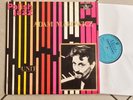
The Beatles Yesterday And Today Butcher Cover LP
$
600


Favourite Auctions
To save auctions to your favourites, please login
If you don't have an account, please register
Description
This is a mono stage 2 copy of The Beatles Yesterday and Today in fantastic condition. While there is some slight minor wear on the front sleeve, and the back sleeve has some circular wear, this copy is very clean over all. IMPORTANT FACT: No corner of the butcher cover has been peeled. Other points of note: The spine has some wrinkling at the bottom. There is also a small staple puncture through the top left where the Capitol Records emblem is. The media is VG. I believe this was pressed in Scranton, PA due to the 3 near the RIAA logo.
THE HISTORY
In early 1966, photographer Robert Whitaker had the Beatles in the studio for a conceptual art piece entitled "A Somnambulant Adventure." For the shoot, Whitaker took a series of pictures of the group dressed in butcher smocks and draped with pieces of meat and body parts from plastic baby dolls. The group played along as they were tired of the usual photo shoots and the concept was compatible with their own "black humour". Although not originally intended as an album cover, the Beatles submitted photographs from the session for their promotional materials. According to a 2002 interview published in Mojo magazine, former Capitol president Alan W. Livingston stated that it was Paul McCartney who pushed strongly for the photo's inclusion as the album cover, and that McCartney reportedly described it as "our comment on the war". A photograph of the band smiling amid the mock carnage was used as promotional advertisements for the British release of the "Paperback Writer" single. Also, a similar photograph from this shoot was used for the cover of the 11 June 1966 edition of the British music magazine Disc.
THE NUMBERS
In the United States, Capitol Records printed approximately 750,000 copies of Yesterday and Today with the same photograph as "Paperback Writer". They were assembled in Capitol's four US plants situated in different cities: Los Angeles, CA; Scranton, PA; Winchester, VA; and Jacksonville, IL. Numbers designating where the covers originated were printed near the RIAA symbol on the back; for example, stereo copies from the Los Angeles plant are designated "5" and mono Los Angeles copies are marked "6". Mono copies outnumbered stereo copies by about 10 to 1, making the stereo copies far more rare and valuable to collectors. A small fraction of the original covers were shipped to disc jockeys and reviewers as advance copies. Reaction was immediate, as Capitol received complaints from some dealers. The record was immediately recalled under orders from Capitol parent company EMI chairman Sir Joseph Lockwood and all copies were ordered shipped back to the record label, leading to its rarity and popularity among collectors.
Copies that have never had the white cover pasted onto them, known as "first state" covers, are very rare and command the highest prices. Copies with the pasted-on cover intact above the butcher image are known as "second state" or "pasteovers"; today, pasteover covers that have remained unpeeled are also becoming increasingly rare and valuable. Covers that have had the Trunk cover removed to reveal the underlying butcher image are known as "third state" covers; these are now the most common (and least valuable, although their value varies depending on how well the cover is removed) as people continue to peel second state covers. The most valuable and highly prized First and Second State Butcher Covers are those that were never opened and remain still sealed in their original shrink wrap. Since the first documented collector's sale of a mono Butcher cover LP in 1974, which fetched US$457.00, the value of first state mono versions has consistently appreciated by around 100% per year.
price rating