The Smiths - What Difference Does It Make - 45 vinyl RARE Japanese Import 1984
$
100
Favourite Auctions
To save auctions to your favourites, please login
If you don't have an account, please register
Description
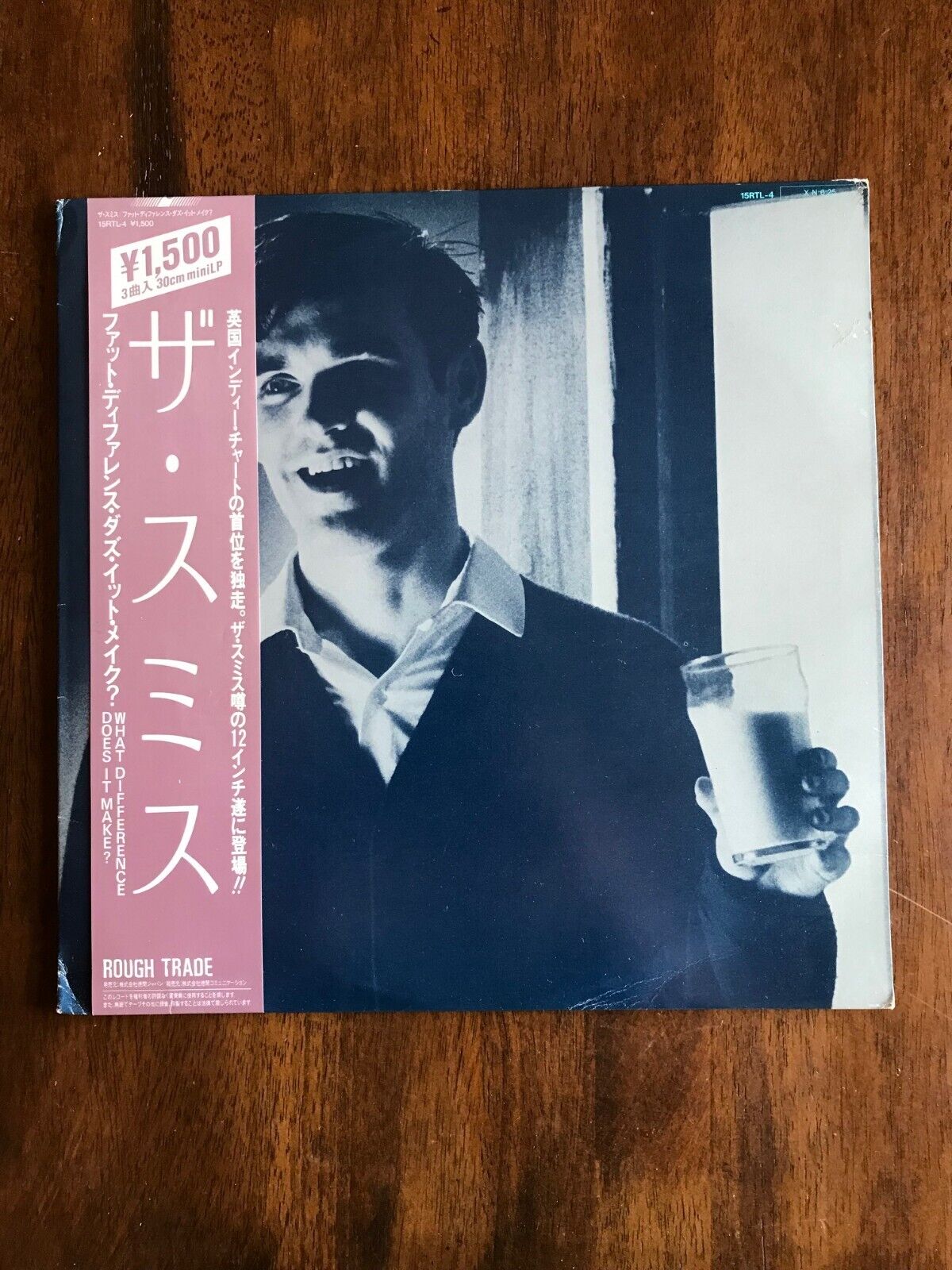
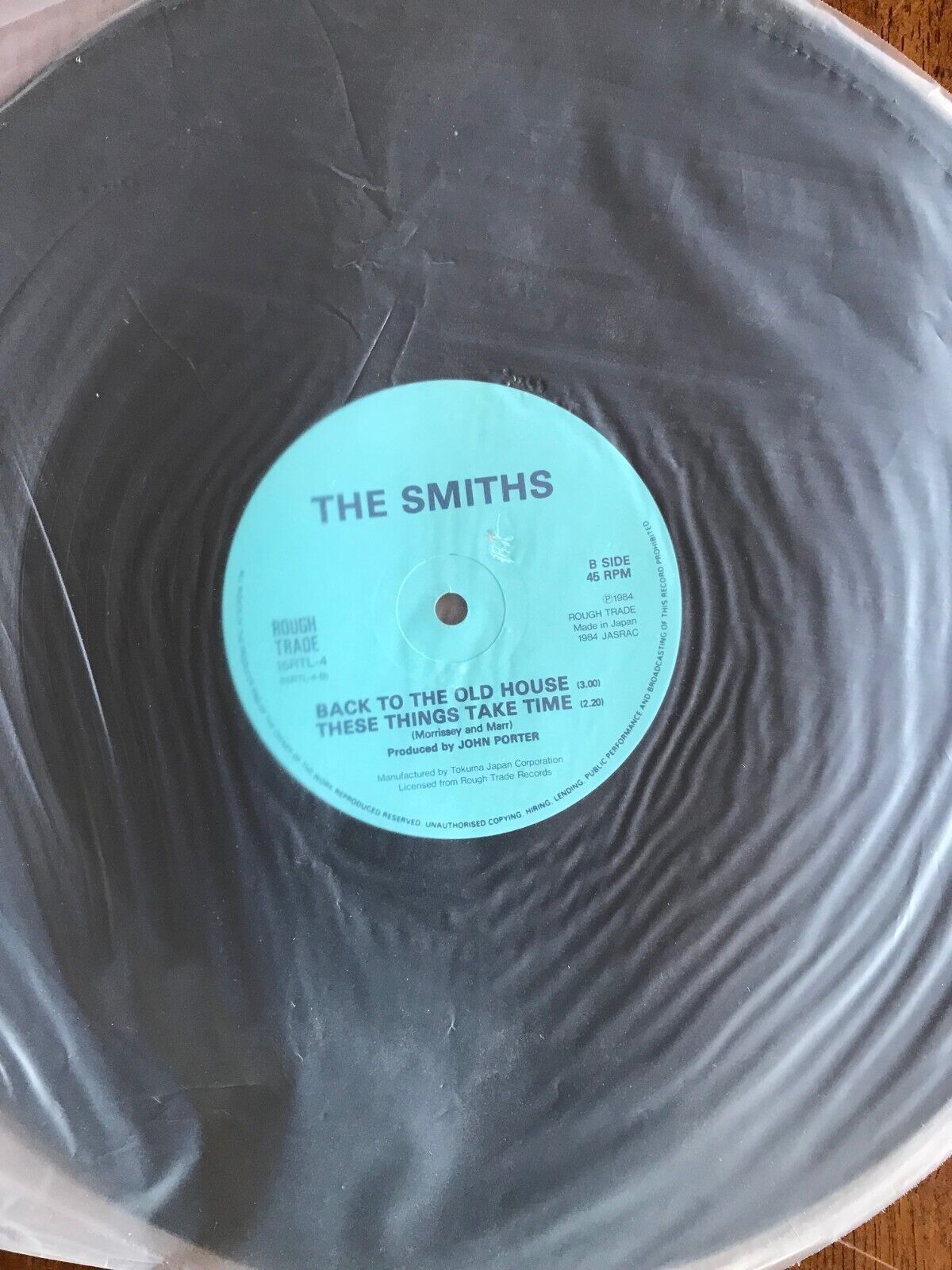
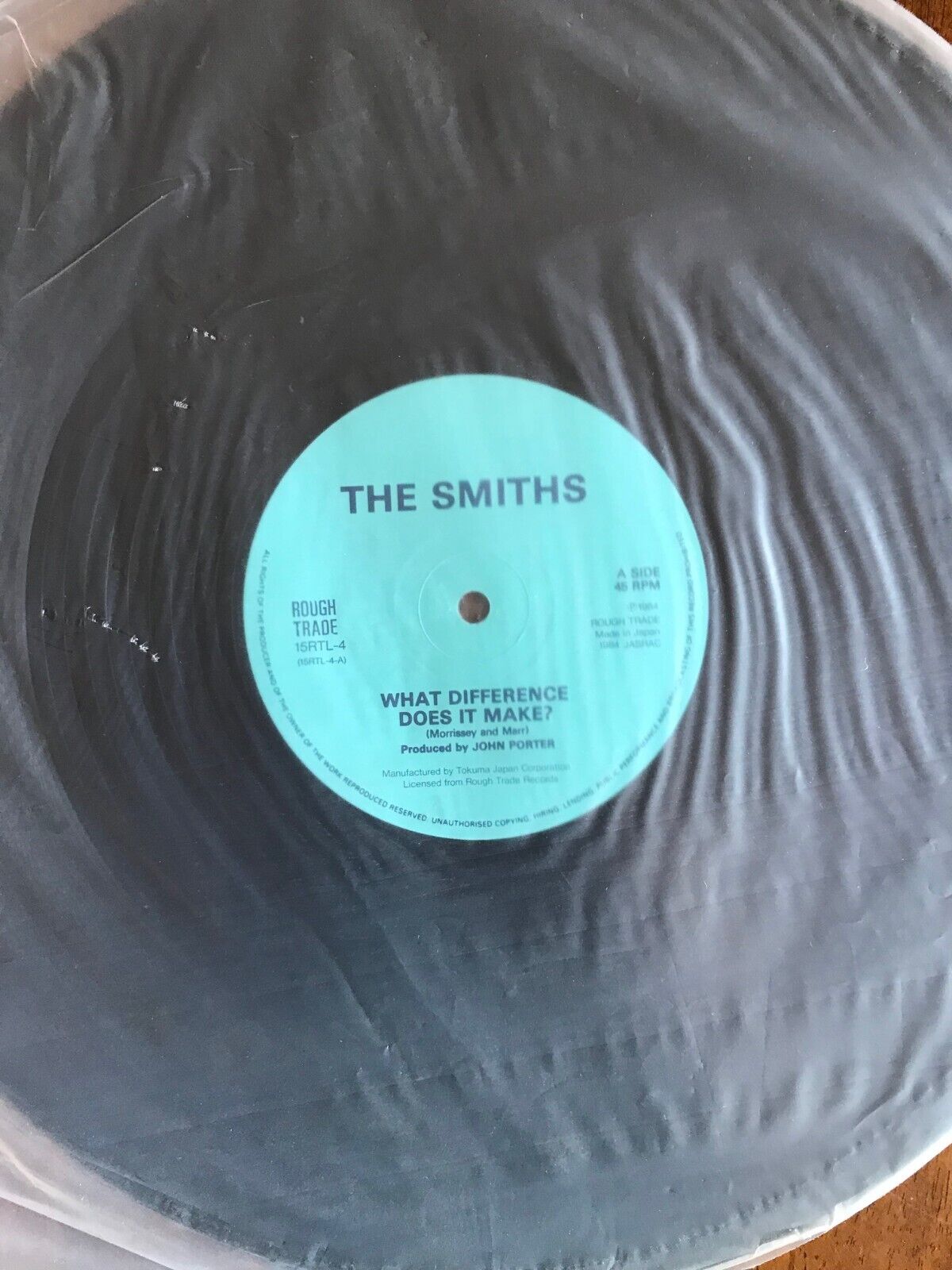
The Smiths – What Difference Does It Make – 45 rpm Vinyl – Rare 1984 Japanese Import –Rough Trade/Tokuma
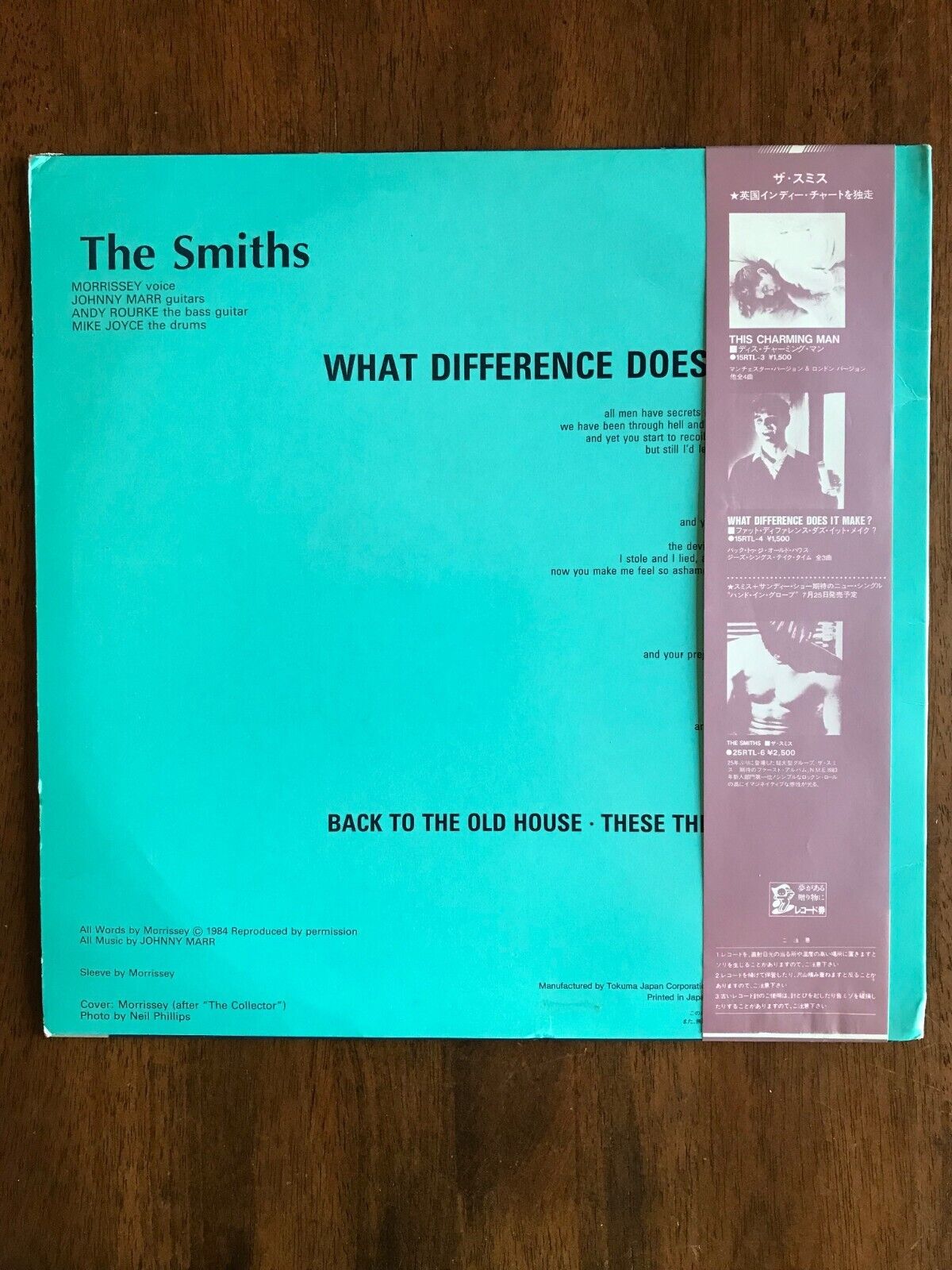
A - What Difference Does It Make? 3:50
B1 Back To The Old House 3:00
B2 These Things Take Time 2:20
Japan 12" [Tokuma Japan 15RTL-4] Released June 25, 1984
- Manufactured By – Tokuma Japan Corporation
- Licensed From – Rough Trade Records
Artwork information:
Beautiful picture sleeve. Original releases show Terence Stamp from the 1965 movie "The Collector". Because Stamp didn't approve of the Smiths using his photograph, later UK 12" pressings have Morrissey mock Stamp's pose and grin, holding a glass of milk instead of a chloroform pad. This picture was also used for this Japanese pressing.
An essential Smiths release.
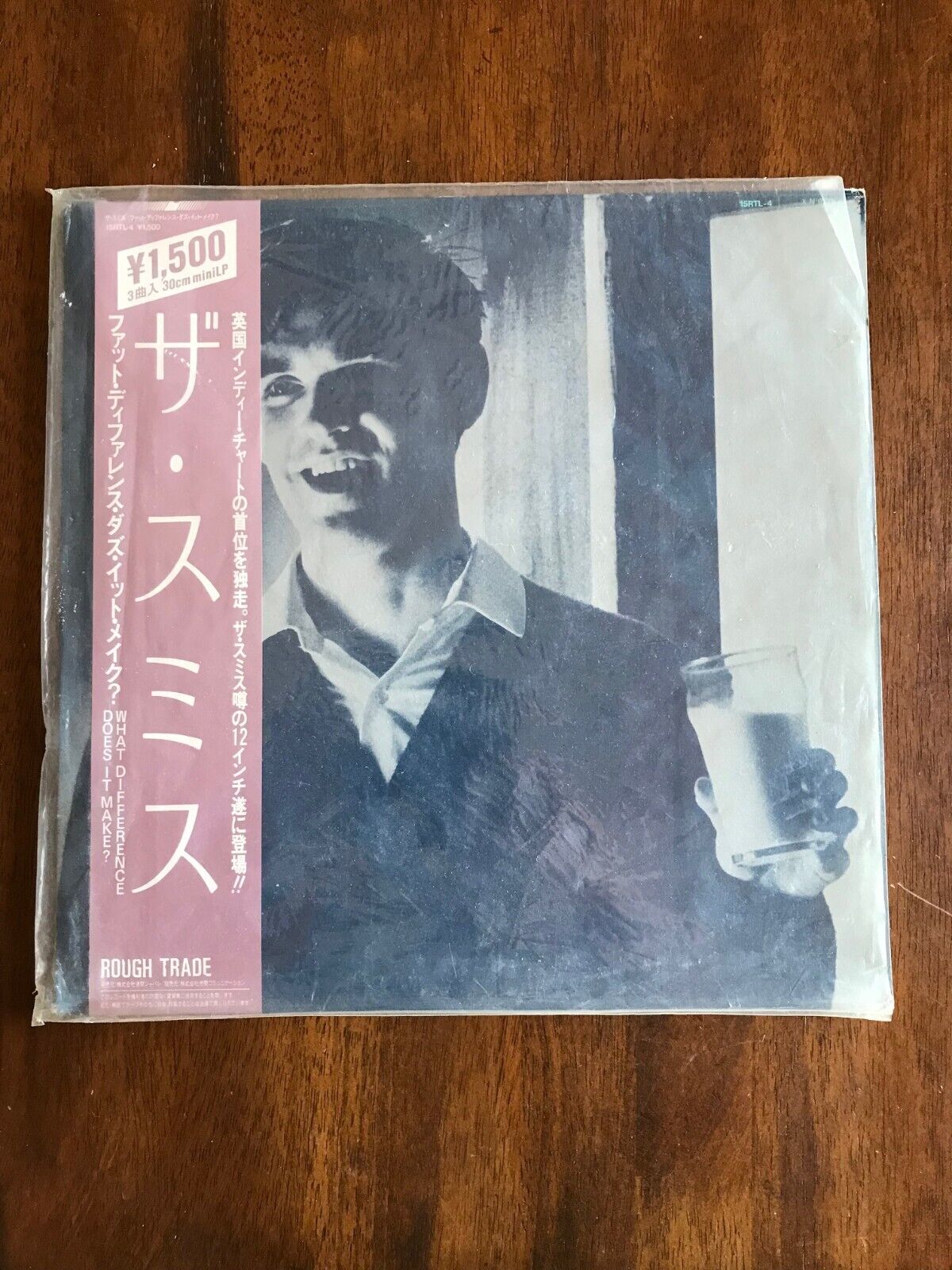
Japanese Import, Includes insert in perfect condition, stored in plastic album sleeve and record sleeve. Record is excellent condition, possibly never used.
Just following after This Charming Man, the next Smiths single, What Difference Does It Make is an angrier Smiths song. Or at least by the band's standards.
As always Morrissey's poetic narrative is strong and subliminal. "All men have secrets and here is mine so let it be known" The very first line in the song Morrissey is about to confide in someone close his personal secrets. The song goes on to play through mental conflict about his physical actions. Commenting later that "The devil will find work for idle hands to do" maybe asserting that his own vices have been him giving in to forms of temptation. It definitely highlights some Oscar Wilde themes.
The themes vastly change on the b-side Back To The Old House. This cut is much more mellow than the frantic single it is paired with. It's a melancholic song about the bittersweetness of pale distraught memories of youth. The old house represents childhood memories of a home where he grew up or people he knew within the vicinity. He starts by lamenting he does not want to go back to the old house because there are too many bad memories. But by the end of the song he says he would "love" to go back to the old house, but he won't ever return. It's like a deprecative pleasure he seeks or is haunted by. A pleasure that comes in the basking of the rustic memories of his youth no matter how tragic or harrowing they are. Youth is youth and it is something that always feels bittersweet no matter the upbringing.
price rating