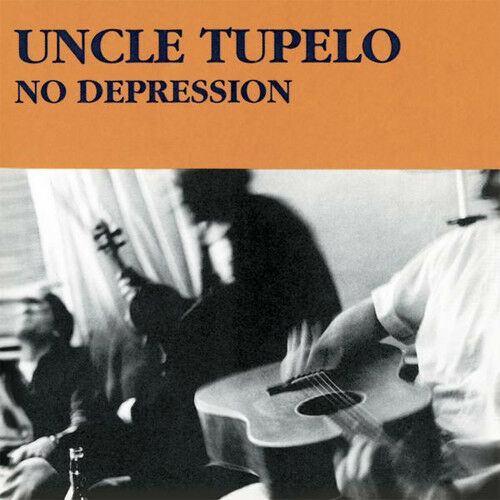
Uncle Tupelo No Depression 180g LP NEW
$
22



Favourite Auctions
To save auctions to your favourites, please login
If you don't have an account, please register
Description
Selections:
Side One:
1. Graveyard Shift
2. That Year
3. Before I Break
4. No Depression
5. Factory Belt
6. Whiskey Bottle
Side Two:
7. Outdone
8. Train
9. Life Worth Livin'
10. Flatness
11. So Called Friend
12. Screen Door
Features:
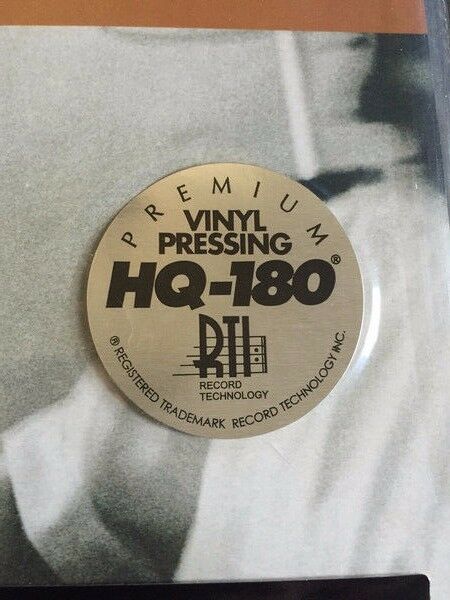
• 180g Vinyl
• Litho Wrap
• Pressed at RTI
• Includes Original Artwork
• Groundbreaking Debut Album
Musicians:
Jay Farrar, vocals, guitars, banjo, harmonica, Nashiville guitar, mandolin, fiddle Jeff Tweedy, bass, vocals, acoustic guitar on "Screen Door"
Mike Heidorn, drums and cymbals
Rich Gilbert, pedal steel guitar on "Factory Belt" and "Whiskey Bottle"
Paul Kolderie, rice can on "Screen Door"
Sean Slade, piano on "Train" and "Life Worth Livin'" and background vocals on "Screen Door"
Jay Farrar, Jeff Tweedy, and Mike Heidorn formed the the group Uncle Tupelo after the lead singer of their previous band, The Primitives, left to attend college. The trio recorded three albums for Rockville Records, before signing with Sire Records and expanding to a five-piece. Shortly after the release of the band's major label debut album Anodyne, Farrar announced his decision to leave the band due to a soured relationship with his co-songwriter Tweedy. Uncle Tupelo split on May 1, 1994, after completing a farewell tour. Following the breakup, Farrar formed Son Volt with Heidorn, while the remaining members continued as Wilco.
Although Uncle Tupelo broke up before it achieved commercial success, the band is renowned for its impact on the alternative country music scene. The group's first album, No Depression, became a byword for the genre and was widely influential. Uncle Tupelo's sound was unlike popular country music of the time, drawing inspiration from styles as diverse as the hardcore punk of The Minutemen and the country instrumentation and harmony of the Carter Family and Hank Williams. Farrar and Tweedy lyrics frequently referred to Middle America and the working class of Belleville.
price rating


