Jimi Hendrix Electric Ladyland near MINT vinyl SPDLP 3 Polydor HENDRIX
£
31
$
41


Favourite Auctions
To save auctions to your favourites, please login
If you don't have an account, please register
Description
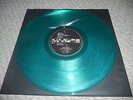
The Vinyl is in almost MINT condition ! Plays beautifullly... The Album cover is in Excellent condition and is certainly very presentable too... This is a very, very good version...
Polydor SPDLP 3.
This Polydor version is known for its superior sound quality...
All records are very well packaged and are sent by suitable postage immediately after payment.
For international delivery; Priced accordingly with Royal Mail international mail services. Please feel free to ask/research.
Discogs:
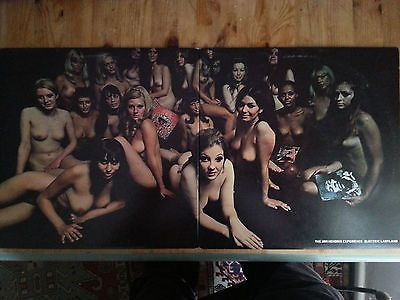
Radical at the time, the UK cover caused controversy, with some outlets refusing to display it. Often, it was sold 'brown bagged', like Lennon's "Two Virgins" album of the same period. Hendrix wanted all issues to have the David Sygall & Linda Eastman (McCartney) images used for the cover. These photos, of the band & children posed on an Alice in Wonderland sculpture in Central Park, can be seen on the US inner and in the MCA CD booklet. Both Reprise and Track ignored the designs he sketched out. Initial work on tracks was begun by the band in January 1968, with manager and producer Chas Chandler at Olympic Studios, London, the 'residency' of engineering brothers Glyn & Andy Johns and staff engineer Eddie Kramer. It was here that Hendrix began to explore the production of his 'progressive' sound and the feasibility of creating tracks that went beyond the current concept of 'pop singles material'. He began to experiment with repeated takes and effects, with Chandler producing and Kramer engineering. Mixes from these sessions then became a new starting point for Hendrix when Chandler and the band entered Gary Kellgren & Chris Stone's newly-opened Record Plant Studios in New York in April & then June 1968 after a period of touring. During the months of recording Hendrix became somewhat fixated in achieving on tape exactly what was in his head, overdubbing, erasing and moving from 4 to 12 & 16-track layering - plus inviting in musicians he had been jamming with at clubs like The Scene. This drove the commercially-minded Chandler to financial distraction. He quit early in the proceedings, selling his shares and leaving Hendrix to complete production. Michael Jeffery became the manager. Kramer, the most prevalent engineer in the recordings, had been called in from the UK and joined forces with Kellgren. Hendrix also dubbed many of the bass parts in Redding's absence. This and many other factors no doubt prevailed in this finalé album of the "Jimi Hendrix Experience".
Absolutely iconic album !
price rating