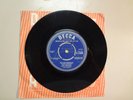
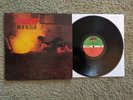
Meade "Lux" Lewis BLUE NOTE The Holy Grail 1st recording NEAR MINT 78 rpm
$
100


Favourite Auctions
To save auctions to your favourites, please login
If you don't have an account, please register
Description
NEAR MINT CONDITION BLUE NOTE #1 The HOLY GRAIL of Blue Note 78's Purchased in its original sleeve.
Recorded January 6, 1939 Released March 3, 1939~~~
Five days after John Hammond’s ‘From Spirituals To Swing’ 23 December 1938 concert at Carnegie Hall, ‘a club like no other’ – according to owner Barney Josephson – opened at 2 Sheridan Square in downtown New York. The club was Café Society, and it really was like no other in that there was no colour bar; blacks and whites were welcome and treated as equals. The greeting at the door was, ‘Welcome to Café Society, the wrong place for the right people.’
Almost immediately, Josephson booked Albert Ammons and Meade Lux Lewis to play at Café Society. Following close behind was Alfred Lion who went to the club with the sole purpose of getting the two piano players to record for his new, and as yet unnamed, record label. After their initial surprise the piano players had just one simple question: would they get paid? Of course he’d pay them, and pay them well. The deal was sealed
Lion was certainly excited: he loved the boogie-woogie and blues piano that the two men played, and he was not alone. Boogie-woogie was all the rage. Typically the form is twelve-bar blues with a consistent bass pattern played with the left hand, while the right had carries the melody. Most significantly, the rhythm makes it impossible not to tap your feet and it’s about as infectious as piano music can get. From Jazz to rock and roll – and everything in between – popular music has been influenced by boogie-woogie
To record Ammons and Lewis, Lion booked studio time for 6 January 1939 at a location thought to have been radio station WMGM on the West Side of Manhattan. Besides the pianists and the engineer, it seems likely that Lion was the only other person present. The two pianists completed nineteen takes that night. When the session ended and Lion had paid their fees, he didn’t have enough money to cover the studio time. The would-be entrepreneur left empty handed, returning a few weeks later to pay for the masters. On listening to the discs at his apartment, he was convinced that this music deserved to be more widely heard. According to Lion, “I decided to make some pressings and go into the music business”.
price rating